
Let's get something straight right off the bat: African Vodun is not what you think it is.
If you're picturing dolls with pins, zombie movies, or dark magic rituals, you've been fed a steady diet of Hollywood nonsense. What we're talking about here is one of Africa's most sophisticated spiritual systems: a complete way of life that's been thriving for centuries in West Africa, particularly in Benin and Togo.
African Vodun (pronounced "voh-DOON") is the real deal. It's not Haitian Vodou, it's not Santería, and it's definitely not whatever you saw in that horror movie last weekend. This is a distinct, powerful tradition that deserves respect and understanding on its own terms.
The Real Origins: Where Vodun Actually Comes From
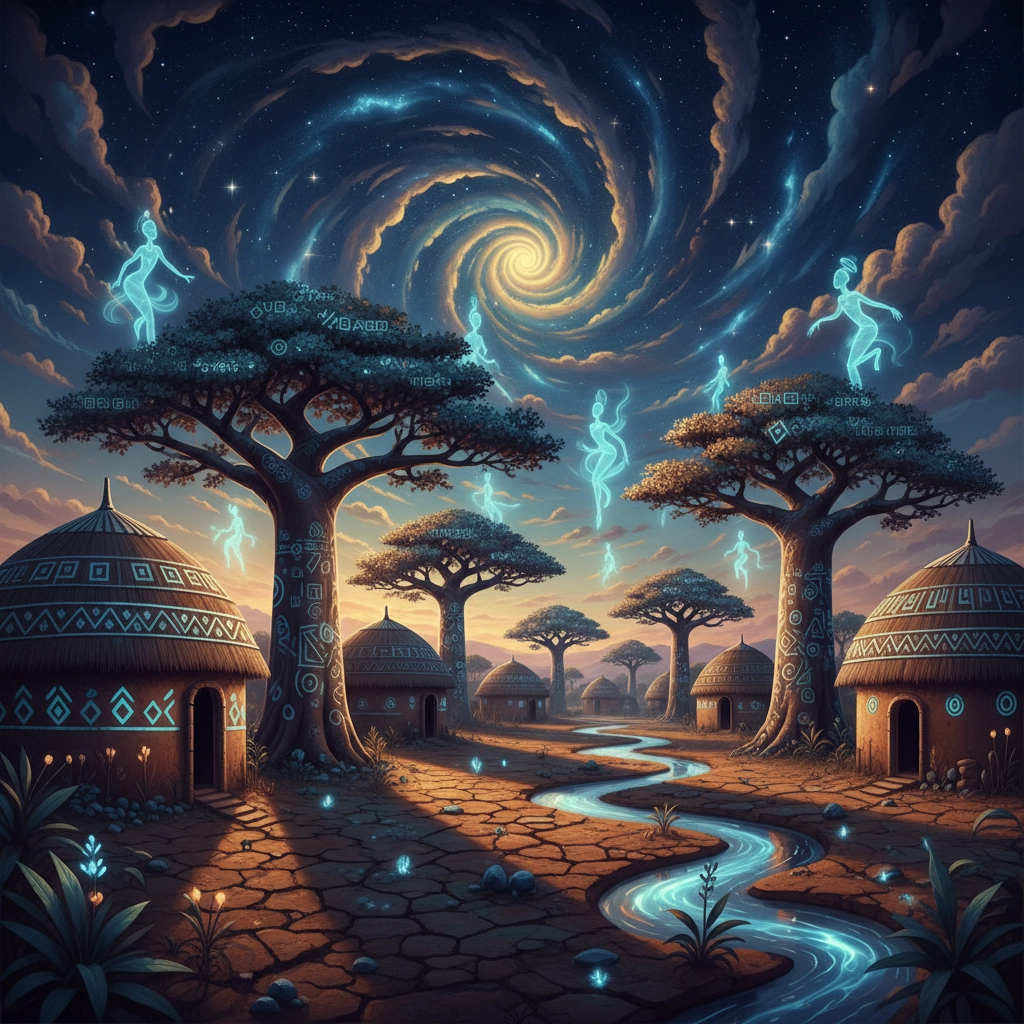
Vodun didn't start in New Orleans or Haiti: it began in the heart of West Africa, specifically among the Fon and Ewe peoples of what we now call Benin and Togo. The word itself means "spirit" or "sacred force" in the local languages, and that tells you everything you need to know about what this tradition is really about.
In Benin, Vodun is so integral to the culture that it's an official religion. We're talking about 60% of the population actively practicing or incorporating Vodun into their lives. Even folks who identify as Christian or Muslim there often blend Vodun practices into their spiritual routine. That's how deeply woven this tradition is into the fabric of West African life.
The Sacred Hierarchy: Meet the Real Players
Mawu: The Ultimate Creator
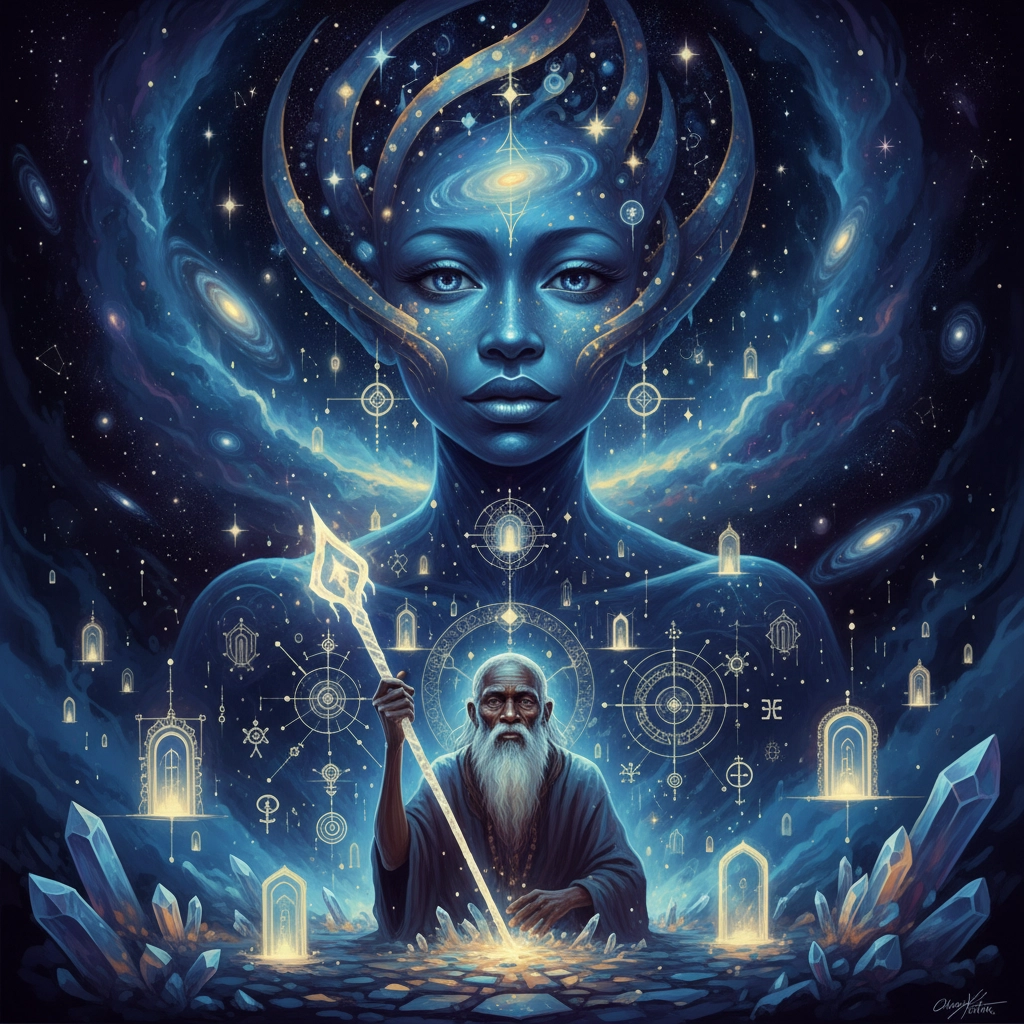
At the top of the Vodun cosmology sits Mawu (sometimes called Mahou), the supreme creator. Picture an elder woman, wise and nurturing, who holds the keys to all creation. She's not some distant, angry deity: she's described as gentle and forgiving, the ultimate mother figure who "owns all other gods."
Vodun Legba: The Divine Gatekeeper
Now here's where people get confused. You might have heard of "Papa Legba" from Haitian traditions, but we're talking about Vodun Legba: a completely different entity with his own specific role in African Vodun.
Vodun Legba is the gatekeeper, the wise old man who controls access between the physical and spiritual worlds. He's often depicted with a crutch or walking stick, sometimes with pronounced masculine features symbolizing fertility and life force. Here's the crucial part: you cannot contact any other vodun (spirits) without going through Legba first. He's the doorkeeper, and he takes that job seriously.
Dan: The Serpent Spirit
Meet Dan: not Damballah from Haitian traditions, but the authentic African serpent vodun. Dan represents the life force that moves through all things, the cosmic serpent that connects earth to sky, the ancestors to the living. In many Vodun communities, Dan is associated with water, wealth, and the continuation of life.
The Extended Vodun Family
African Vodun recognizes about 100 different vodun, each governing specific aspects of life and nature. There's Gou, who oversees war and metalworking. Sakpata handles illness and healing, connecting us to the earth's power to both harm and heal. Each vodun has its own personality, preferences, and protocols.
How Vodun Actually Works: The Spiritual Technology
Forget everything you think you know about "voodoo dolls" and movie magic. Real Vodun practice is about relationships: with spirits, ancestors, community, and the natural world.
Sacred Ceremonies and Rituals
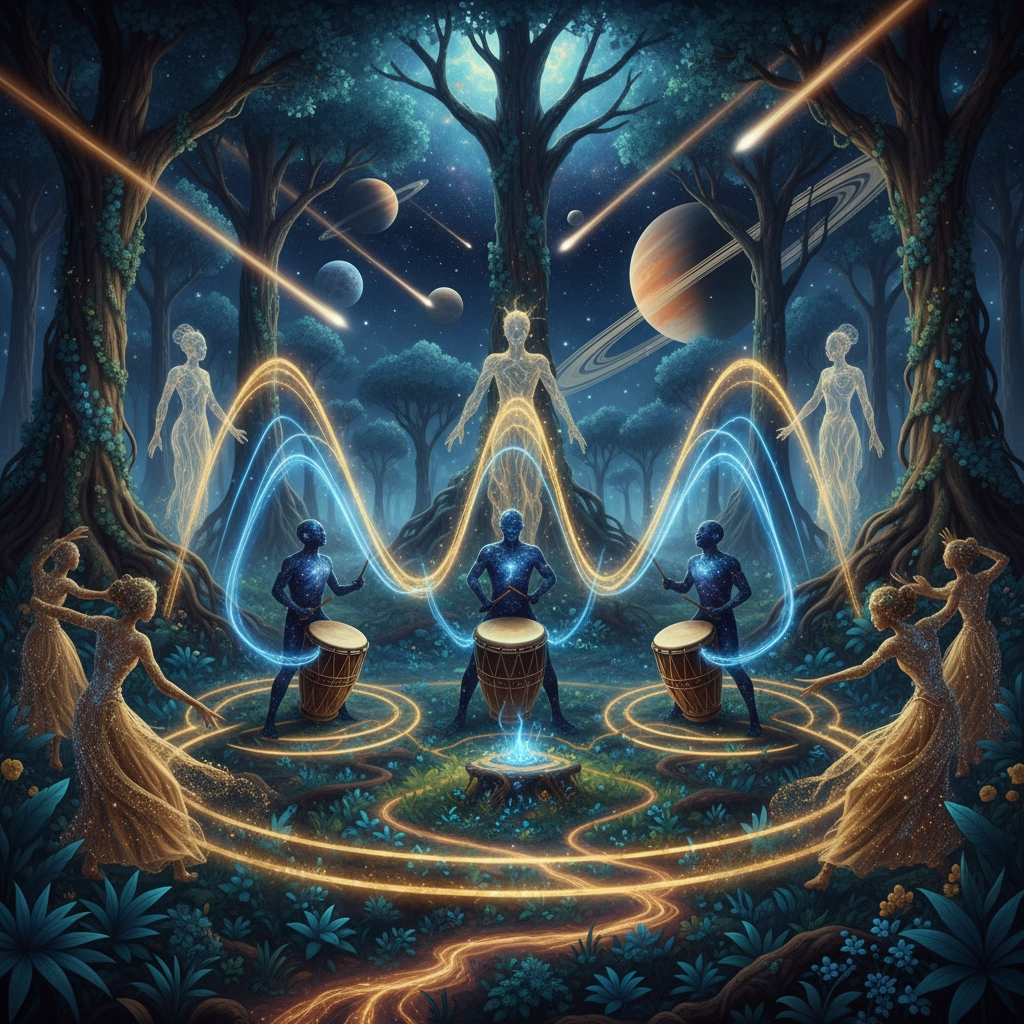
Vodun ceremonies are powerful communal experiences involving drumming, singing, and dancing. These aren't performances; they're sacred technologies designed to create genuine spiritual connection. The rhythms aren't random: they're specific patterns that call specific vodun, creating a bridge between worlds.
During these ceremonies, practitioners may experience spirit possession, where a vodun temporarily inhabits someone's body to communicate directly with the community. This isn't scary or dramatic like in movies: it's a sacred honor and responsibility.
Offerings and Sacred Exchange
Each vodun has preferences: specific foods, drinks, colors, and items they favor. Vodun Legba might appreciate palm wine and kola nuts. Dan could prefer white foods and water offerings. These aren't bribes; they're acts of respect and reciprocity, maintaining the relationship between human and divine.
Sacred Symbols and Sacred Spaces
While Haitian Vodou has veves, African Vodun has its own symbolic language: sacred drawings, shrine decorations, and ritual implements that vary by region and family tradition. Vodun shrines aren't spooky haunted houses; they're beautiful, carefully maintained spaces where the community connects with spiritual forces.
Breaking Down the Myths: What Vodun Is NOT
Let's clear the air about some persistent myths:
Vodun is not about harming people. Real practitioners consistently emphasize that authentic Vodun rejects harmful magic. Any "sorcery" associated with the tradition comes from corrupted practices, not genuine Vodun spirituality.
Vodun is not devil worship. The concept of "evil" as understood in Christian traditions doesn't exist in traditional Vodun cosmology. Vodun acknowledge that spiritual forces can be challenging or difficult, but they're not inherently evil.
Vodun is not primitive or backwards. This is a sophisticated spiritual system with complex theology, elaborate rituals, and deep philosophical teachings about the nature of existence.
Beyond the Headlines: Media Myths vs. Vodun Reality
Let’s talk about the way media frames African spiritual life. Fear sells; wisdom doesn’t trend. Too many cameras show up looking for gore, jump scares, and caricatures. That colonial lens flattens a living tradition into a horror trope. We’re done with that.
Here’s what gets sensationalized—and what’s actually true:
- The stereotype: “It’s all curses and hexes.” The reality: Core values are reciprocity, responsibility, and alignment. We don’t play with people’s lives—there are ethics, elders, and consequences.
- The stereotype: “All ‘voodoo’ is the same.” The reality: There are distinct lineages and languages—African Vodun (Fon/Ewe), Haitian Vodou, Yoruba Ifá/Òrìṣà, Fa, Hoodoo, and more. Collapsing them into one word is lazy and disrespectful.
- The stereotype: “Possession is chaos.” The reality: Spirit presence is invited, contained, and cared for. There are trained attendants, protocols, and messages offered for healing and guidance.
- The stereotype: “It’s dark and creepy.” The reality: Beauty is central—carefully tended shrines, luminous white cloth, beadwork, sacred chalk, poetry in drum and dance. Order, rhythm, and meaning are everywhere.
- The stereotype: “Secret cults in the shadows.” The reality: Community, plain and simple—naming ceremonies, reconciliation work, planting seasons, and public festivals like Benin’s Fête du Vodoun. It’s social, ethical, and accountable.
- The stereotype: “Devil worship.” The reality: There’s no Satan here. Vodun is about balance, consequence, and relationship—with Mawu, with vodun, with ancestors, with nature.
When the media cues the horror soundtrack, we say—tell them folks to the left. Make room for truth, for elders, for the drum that calls life, not fear. It’s not spectacle. It’s stewardship. It’s not a performance. It’s a responsibility.
Modern Vodun: Alive and Thriving
In contemporary Benin and Togo, Vodun isn't some relic from the past: it's a living, breathing tradition that continues to evolve while maintaining its core principles. You'll find Vodun priests using cell phones to coordinate ceremonies, young people learning traditional songs through social media, and families blending ancient wisdom with modern life.
The tradition has also spread beyond its original geographic boundaries, with authentic African Vodun communities now found in various parts of the world, always maintaining connection to the ancestral homeland.
The Global Renaissance: Why People Are Returning to African Cosmologies
Across the world—on the continent and throughout the diaspora—people are turning (or returning) to African Vodun and related systems. This isn’t a trend. It’s a homecoming.
Why now?
- Ancestral memory and repair: Folks are tired of being spiritually amnesiac. They want names, languages, songs, and a way to heal family lines that carry both brilliance and pain.
- Holistic healing: Divination in these systems is diagnostic. You don’t just get vibes—you get a read on root causes and prescriptions that blend ritual with practical counsel.
- Community and accountability: People are craving elders, lineage, and rhythm—not algorithm spirituality. Vodun offers belonging with standards, not just aesthetics.
- Earth intimacy: In a climate-anxious world, traditions that honor river, soil, and sky feel sane. Rituals realign us with the land we walk and the waters we drink.
- Authenticity fatigue: The marketplace is loud. Lineage, training, and service cut through the noise. Results matter. Integrity matters.
- Clarity over spectacle: You ask, you listen, you act. Guidance, not theatrics. Protection, not paranoia.
If this is you, here are your first moves:
- Start simple ancestor work: a clean glass of water, a white cloth, a candle. Speak the names you know. Greet daily. Listen.
- Learn with respect: read, take notes, memorize one song or proverb. Track your dreams for 30 days.
- Find real community: attend public events, consult reputable diviners, ask about their teachers and lineage. Verify, then trust.
- Practice reciprocity: support artisans and shrine communities; give where you’re guided; keep your word.
- Slow down: stop scrolling, start a 10-minute morning practice. Light that candle. Pour that water. Listen.
Your ancestors already know what you’re capable of—the question is, when will you?
Getting Started: A Beginner's Roadmap
So you're interested in learning about African Vodun? Here's how to approach this tradition with the respect it deserves:
Start with Education
Read books by actual African scholars and practitioners, not sensationalized Western accounts. Look for works by people like Suzanne Preston Blier, who has done extensive fieldwork in Benin, or Malidoma Patrice Somé's writings on West African spirituality.
Approach with Humility
This isn't a tradition you can learn from YouTube videos or weekend workshops. Real understanding takes time, respect, and often direct connection with practicing communities.
Respect the Cultural Context
Remember that Vodun is deeply tied to specific African cultures and languages. Don't try to extract practices from their cultural context or blend them willy-nilly with other traditions.
Find Authentic Teachers
If you're serious about learning, seek out teachers who have legitimate connections to West African Vodun traditions. Be wary of anyone promising quick initiations or mixing Vodun with unrelated spiritual practices.

The Path Forward: Living Vodun Principles
Even if you never formally practice Vodun, its principles offer profound wisdom for modern life:
Respect for ancestors and elders. Vodun teaches that wisdom flows from those who came before us.
Community responsibility. Individual spiritual development means nothing if it doesn't serve the collective good.
Balance and reciprocity. Everything in life involves exchange: what you receive, you must give back in some form.
Connection to nature. Vodun recognizes that humans are part of a larger web of life, not separate from or superior to the natural world.
Your Next Steps
Ready to dive deeper into authentic African spirituality? The Ejiogbe IFA Institute offers resources and guidance for those seeking genuine connection to traditional African spiritual practices. Whether you're drawn to Vodun specifically or interested in exploring other West African traditions, the key is approaching with respect, patience, and genuine desire to learn.
Remember: this isn't about collecting spiritual practices like Pokemon cards. It's about understanding profound wisdom traditions that have sustained communities for centuries. Take your time, do your homework, and always honor the cultures and peoples who have kept these traditions alive.
The vodun are waiting, but they're not in any hurry. Are you ready to listen?