
Let's get something straight right off the bat, Fítìbọ̀ is not one of the Ajogun mẹ́jọ, the core eight Ajogun warlords that Ifá tradition recognizes as the major forces of adversity. But that doesn't make Fítìbọ̀ any less real or any less something you need to understand if you're serious about walking this path.
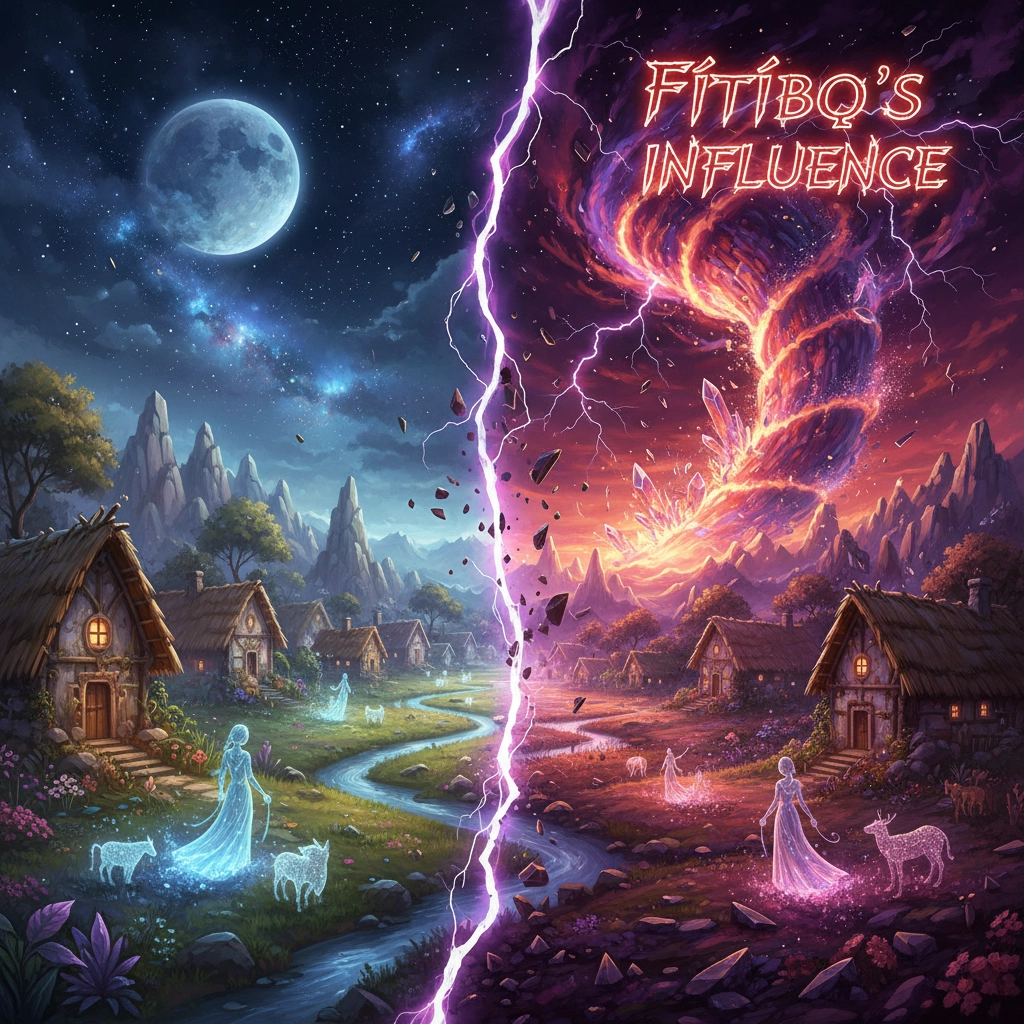
Think of Fítìbọ̀ as that plot twist nobody saw coming. You know the one, when you're watching a movie and everything's going fine, then BAM! Out of nowhere, disaster strikes. That's Fítìbọ̀. It's the spiritual representation of sudden calamity, the "where did that come from?" disaster that leaves people scratching their heads and asking, "But everything was going so well!"
Understanding the Ajogun Classification System
Before we dive deeper into Fítìbọ̀, you need to understand how the Ajogun system works. The Ajogun are spiritual forces of adversity in Yoruba cosmology: not devils or demons, but challenges that test our character and push us toward growth. They're like that tough-love friend who tells you what you need to hear, not what you want to hear.
The eight major Ajogun: Ìkú (death), Àrùn (sickness), Òfò (loss), Èpè (curse), Èjẹ̀ (bloodshed), Òràn (trouble), Ẹ̀wọ̀n (imprisonment), and Ìjà (strife): are the heavy hitters. They're the ones with their own verses, their own specific ebò (offerings), and their own distinct personalities in the oral tradition.
But Ifá is nuanced, and life is complex. Sometimes the adversity we face doesn't fit neatly into one of those eight categories. That's where aspects and subtypes like Fítìbọ̀ come in.

The Nature of Fítìbọ̀: When Disaster Strikes Without Warning
Fítìbọ̀ literally translates to sudden calamity or unexpected disaster. It's the spiritual force behind those moments when everything changes in an instant. One minute you're cruising along, thinking you've got life figured out, and the next minute you're dealing with a crisis that seemingly came from thin air.
We're talking about situations like:
- The unexpected job loss when your performance reviews were stellar
- The sudden illness with no family history or warning signs
- The car accident on a route you've driven safely for years
- The relationship that implodes without obvious red flags
- The natural disaster that strikes your perfectly planned event
Fítìbọ̀ isn't about gradual decline or predictable consequences. It's about the curveball that life throws when you least expect it.
How Fítìbọ̀ Appears in Ifá Divination
In Ifá verses and divination, Fítìbọ̀ usually shows up as a warning about unforeseen challenges or as an explanation for sudden misfortune that's already occurred. When your babalawo sees Fítìbọ̀ in your reading, they're not necessarily saying disaster is inevitable: they're alerting you to the need for spiritual protection against the unexpected.
The divination might reveal:
- A need for preventative ebò to ward off sudden calamity
- Specific taboos (eewo) to avoid attracting Fítìbọ̀'s attention
- Ancestral or Orisha support needed to weather unexpected storms
- The spiritual root cause of a sudden crisis you're already facing
Remember, Ifá doesn't just diagnose problems: it provides solutions. The tradition recognizes that sudden disasters are part of life's texture, but it also offers tools to minimize their impact and recover from them more effectively.
The Spiritual Significance of Sudden Adversity
Here's what many people miss: Fítìbọ̀ isn't random chaos. In Yoruba cosmology, even sudden disasters serve a purpose. They can:
Break Up Stagnation: Sometimes we get too comfortable in situations that aren't serving our highest good. Fítìbọ̀ can be the cosmic kick in the pants that forces necessary change.
Test Our Resilience: How we respond to unexpected adversity reveals our true character. Do we crumble, or do we adapt and overcome?
Redirect Our Path: That sudden job loss might lead to the career you were meant to have. The unexpected health scare might prompt lifestyle changes that add decades to your life.
Teach Humility: Fítìbọ̀ reminds us that no matter how much we plan and prepare, we're not in complete control. This isn't about becoming paranoid: it's about maintaining proper relationship with forces bigger than ourselves.
Traditional Remedies and Protection
When dealing with Fítìbọ̀, the remedies typically focus on spiritual fortification rather than specific rituals for this aspect alone. Since Fítìbọ̀ often manifests through one of the major Ajogun, the ebò might be directed toward the primary force involved.
General protective measures include:
Consistent Ancestral Veneration: Your ancestors are your first line of defense against unexpected adversity. Regular offerings of cool water, white candles, and simple prayers keep this connection strong.
Orisha Devotion: Maintaining proper relationship with your Orisha provides spiritual insurance against sudden calamities. Each Orisha offers different forms of protection: Elegua guards crossroads and opportunities, Ogun clears obstacles, Oshun provides emotional resilience.
Divination Before Major Decisions: Regular Ifá consultation helps identify potential periods of vulnerability to sudden adversity. Prevention is always better than cure.
Spiritual Cleansing: Regular spiritual baths, smudging, or other cleansing practices help remove the spiritual debris that can attract negative attention.
Living with Awareness, Not Paranoia
Understanding Fítìbọ̀ isn't about becoming fearful of life or expecting disaster around every corner. That's not spiritual wisdom: that's anxiety with a religious flavor. The goal is developing what I call "spiritual peripheral vision": awareness of potential challenges without obsession.
This means:
- Having emergency funds when possible
- Maintaining strong relationships for support during tough times
- Developing emotional resilience through regular spiritual practice
- Learning to read the spiritual weather patterns in your life
- Accepting that some challenges will always be unexpected
You can't Fítìbọ̀-proof your life entirely, and frankly, you wouldn't want to. Growth often comes through challenges we didn't see coming.
When Fítìbọ̀ Has Already Struck
If you're reading this while dealing with sudden adversity, first understand that you're not being punished. Fítìbọ̀ isn't cosmic punishment: it's cosmic pressure that can either crush you or create diamonds.
Immediate spiritual response:
- Don't panic-make major decisions. Sudden adversity clouds judgment.
- Seek divination to understand the spiritual dynamics at play.
- Activate your support systems: ancestors, Orisha, and living community.
- Look for the lesson without rushing to "make meaning" of everything.
- Focus on what you can control rather than what you can't.
The Wisdom Within the Whirlwind
Here's the real tea: Fítìbọ̀ teaches us that life isn't a straight line, and that's actually a good thing. If we could predict and control everything, we'd never grow beyond our current limitations. The sudden changes, unexpected challenges, and out-of-nowhere plot twists keep us humble, flexible, and strong.
The goal isn't to avoid all sudden adversity: it's to build the spiritual muscles needed to handle whatever comes. Your ancestors survived famines, wars, displacement, and countless other sudden calamities. That resilience is in your DNA, both biological and spiritual.
Every time you weather an unexpected storm, you're adding to the legacy of strength you'll pass on to future generations. Fítìbọ̀ might knock you down, but it also reveals just how much strength you actually have.
Remember, in the Ifá tradition, even the most challenging forces serve a purpose in the grand design. Fítìbọ̀ keeps us honest, keeps us growing, and keeps us connected to the truth that we're part of something much bigger than our individual plans and preferences.
So the next time life throws you a curveball that seems to come from nowhere, take a breath, consult your spiritual resources, and remember: you've got everything you need to handle this. Your ancestors made sure of that.