
Let's talk about the Ajogun that nobody wants to meet at a family reunion, Ìjà, the embodiment of strife, conflict, and warfare. If you've been studying Ifá for any length of time, you know the Ajogun aren't just abstract concepts floating around in spiritual textbooks. These are real forces that show up in our lives, and Ìjà? This one's got a particular talent for turning peaceful situations into battlegrounds.
Understanding the Ajogun System
Before we dive deep into Ìjà specifically, let's get our bearings straight. The Ajogun are the eight primary destructive forces in Yoruba cosmology, spiritual warriors that challenge humanity when we've strayed from our path or when we need to learn crucial lessons. Think of them as the universe's way of saying, "Hey, pay attention!" except they're not exactly gentle about it.
The core eight Ajogun mẹ́jọ include Ìkú (death), Àrùn (sickness), Òfò (loss), Èpè (curse), Èjẹ̀ (bloodshed), Òràn (trouble), Ẹ̀wọ̀n (imprisonment), and our focus today, Ìjà (strife and conflict). These aren't evil entities trying to destroy you for fun. They're corrective forces that emerge when there's imbalance, when taboos are broken, or when spiritual maintenance has been neglected.
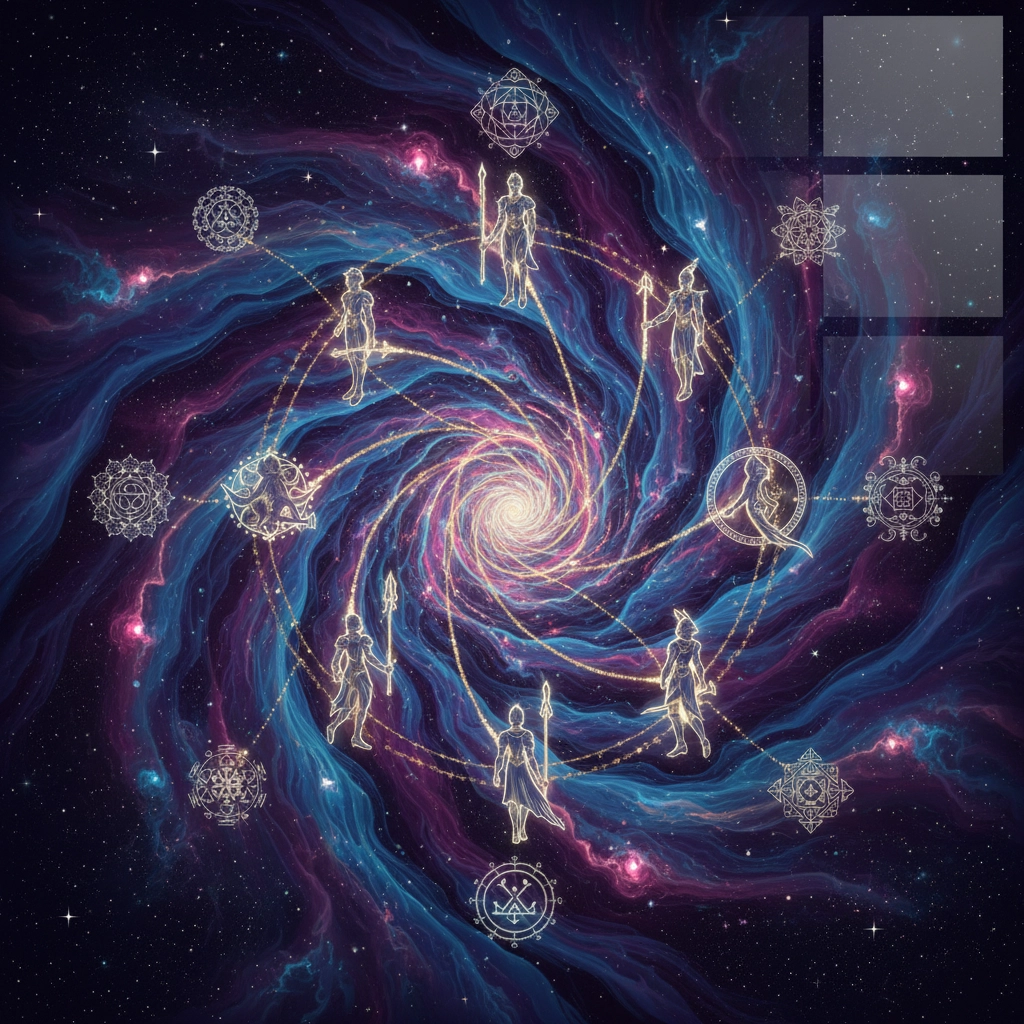
What Exactly Is Ìjà?
Ìjà represents strife, conflict, warfare, and discord in all their messy, complicated forms. This isn't just about physical fights breaking out at the corner store. We're talking about the energy that turns workplace disagreements into full-blown feuds, that transforms family dinners into war zones, and that can escalate a minor misunderstanding into years of bitter resentment.
When Ìjà shows up in your life, you'll know it. Suddenly, everyone around you seems to be picking fights. Your partner starts arguments over things that never bothered them before. Your siblings are dredging up childhood grievances. Your coworkers are forming factions like it's some twisted reality show. The energy of conflict just… spreads.
But here's what you need to understand: Ìjà isn't random. This Ajogun appears when there are unresolved tensions, when communication has broken down, when people aren't speaking their truth, or when someone is actively sowing discord. It's also connected to issues of justice, sometimes conflict arises because someone's been wronged and the universe is demanding balance.
How Ìjà Manifests in Divination
When Ìjà appears in an Ifá consultation, the babalawo isn't just warning you about potential arguments. They're revealing a complex spiritual situation that requires attention. Here's how it typically shows up:
Domestic Conflicts: Family disputes that seem to come out of nowhere, marriages falling apart over seemingly small issues, children rebelling against parents, or in-laws creating division.
Legal Battles: Lawsuits, court cases, custody disputes, business partnership conflicts, or any situation where you might need legal representation.
Community Discord: Neighborhood feuds, religious community splits, workplace harassment, or political divisions that affect your daily life.
Internal Warfare: Sometimes Ìjà manifests as internal conflict, when you're at war with yourself, struggling with decisions, or feeling pulled in different directions.
Social Media Drama: Yes, even online conflicts count. That Twitter beef that's keeping you up at night? That's Ìjà working through modern channels.
The key is recognizing that when this Ajogun is active, normal conflict resolution often fails. People become unreasonable. Emotions run too hot. Logic gets thrown out the window. This is when you know you're dealing with spiritual forces, not just human stubbornness.

The Deeper Spiritual Meaning
In Yoruba cosmology, conflict isn't always negative. Sometimes Ìjà shows up to break apart situations that have become stagnant or toxic. Think of it as spiritual surgery, painful but necessary for healing. When people aren't communicating honestly, when injustices are being ignored, or when someone's being taken advantage of, Ìjà can be the force that finally brings everything to a head.
This Ajogun also teaches us about boundaries. Many people avoid conflict at all costs, thinking they're being "spiritual" or "peaceful." But sometimes, not standing up for yourself or others is what invites Ìjà to escalate the situation. The universe has a way of forcing confrontations when we've been avoiding necessary conversations.
Historical references in Ifá verses often show Ìjà appearing during times of social change, when old systems need to be challenged, or when communities must come together to face external threats. War, in the traditional sense, was sometimes seen as a purifying force, terrible but capable of revealing character and strengthening the righteous.
Traditional Remedies and Spiritual Solutions
When Ìjà appears in divination, the prescribed ebò (offerings) are specifically designed to restore harmony and cool tempers. Here are some traditional approaches:
Cooling Ceremonies: Offerings of cold water, white cloth, and cooling herbs to Òrìṣà Ọbàtálá, who governs peace and clarity of thought.
Communication Rituals: Special ebò to Èṣù, asking for clear communication and the removal of misunderstandings that fuel conflict.
Justice Offerings: When conflict arises from genuine injustice, offerings might be made to Ṣàngó or other Òrìṣà associated with justice and truth-telling.
Community Healing: Group ceremonies to restore harmony within families or communities, often involving shared meals and collective prayers.
Personal Cleansing: Spiritual baths and cleansing rituals to remove the energy of conflict from one's own àṣẹ (life force).

Modern Applications and Practical Wisdom
Look, we're not living in ancient Yorubaland anymore. Today's conflicts might involve HR departments, family court judges, and social media platforms. But the spiritual principles remain the same. When you recognize Ìjà's energy in your life, here's what you can do:
Step Back and Assess: Before reacting to conflict, ask yourself if this is normal human drama or something that feels spiritually charged. Are people being unusually irrational? Are conflicts multiplying beyond reason?
Seek Spiritual Consultation: A qualified babalawo or Ifá practitioner can help you understand what's really happening spiritually and prescribe appropriate remedies.
Practice Emotional Regulation: When Ìjà is active, your usual conflict resolution skills might not work. Focus on staying calm, speaking truth without attacking, and avoiding escalation.
Address Root Causes: Look for underlying issues that might be feeding the conflict energy. Are there unspoken resentments? Unaddressed injustices? Communication breakdowns?
Create Sacred Space: Sometimes you need to literally and spiritually cleanse your environment. Clean your home, burn sage or other cleansing herbs, and create peaceful energy in your space.
The Protective Power of Understanding
Here's something important: knowing about Ìjà doesn't make you paranoid about conflict. Instead, it gives you spiritual intelligence. When you understand that some conflicts have deeper spiritual dimensions, you can respond more skillfully rather than just reacting emotionally.
You'll also start recognizing when people around you are being influenced by this energy. That friend who suddenly turned vicious? That family member who's picking fights with everyone? They might not even realize they're caught up in Ìjà's influence. With this understanding, you can maintain compassion while protecting yourself spiritually.
Working with Rather Than Against
The goal isn't to eliminate all conflict from your life, that's impossible and not even desirable. The goal is to work with conflict energy constructively. Sometimes Ìjà appears because important truths need to be spoken, because boundaries need to be established, or because positive change requires some upheaval.
When you're aligned with your orí (inner head/destiny) and maintaining proper spiritual practices, you can navigate conflict without being destroyed by it. You can speak your truth, stand up for justice, and protect what matters to you without feeding the destructive aspects of Ìjà's energy.
The wisdom of Ifá teaches us that every Ajogun, including Ìjà, serves a purpose in the cosmic order. Our job isn't to avoid these forces entirely but to understand them, respect them, and work with them skillfully. When conflict arises in your life, don't just react, pause, pray, seek guidance, and remember that even in the midst of strife, there are lessons to be learned and growth to be achieved.
That's the difference between being a victim of spiritual forces and being someone who works with them consciously. Which one are you ready to be?