
When we talk about the forces that challenge humanity in Yoruba cosmology, we're not talking about cartoon villains or Hollywood monsters. We're talking about real spiritual dynamics that every person on this planet encounters. And at the head of these challenging forces stands Iku: Death himself.
Let's be clear from the jump: Iku isn't some boogeyman hiding under your bed. In traditional Ifá teaching, Iku is the most powerful of the Ajogun, the spiritual warriors who test humanity's resolve, wisdom, and spiritual development. Understanding who Iku is and how this force operates isn't about fear: it's about respect, preparation, and spiritual maturity.
What Does Ajogun Actually Mean?
Before we dive into Iku specifically, you need to understand what we're dealing with when we say "Ajogun." The word breaks down beautifully in Yoruba: "A-jo-gun" literally means "those who feast on war" or "warriors who feed on conflict." These aren't random chaotic forces: they're organized, purposeful spiritual entities with a specific job in the cosmic order.
Think of the Ajogun like a spiritual audit team. They show up to test whether you're really living according to your highest potential, whether you're honoring your agreements with destiny, and whether you're spiritually prepared for what life is going to throw at you. They're not evil in the Western sense: they're necessary.
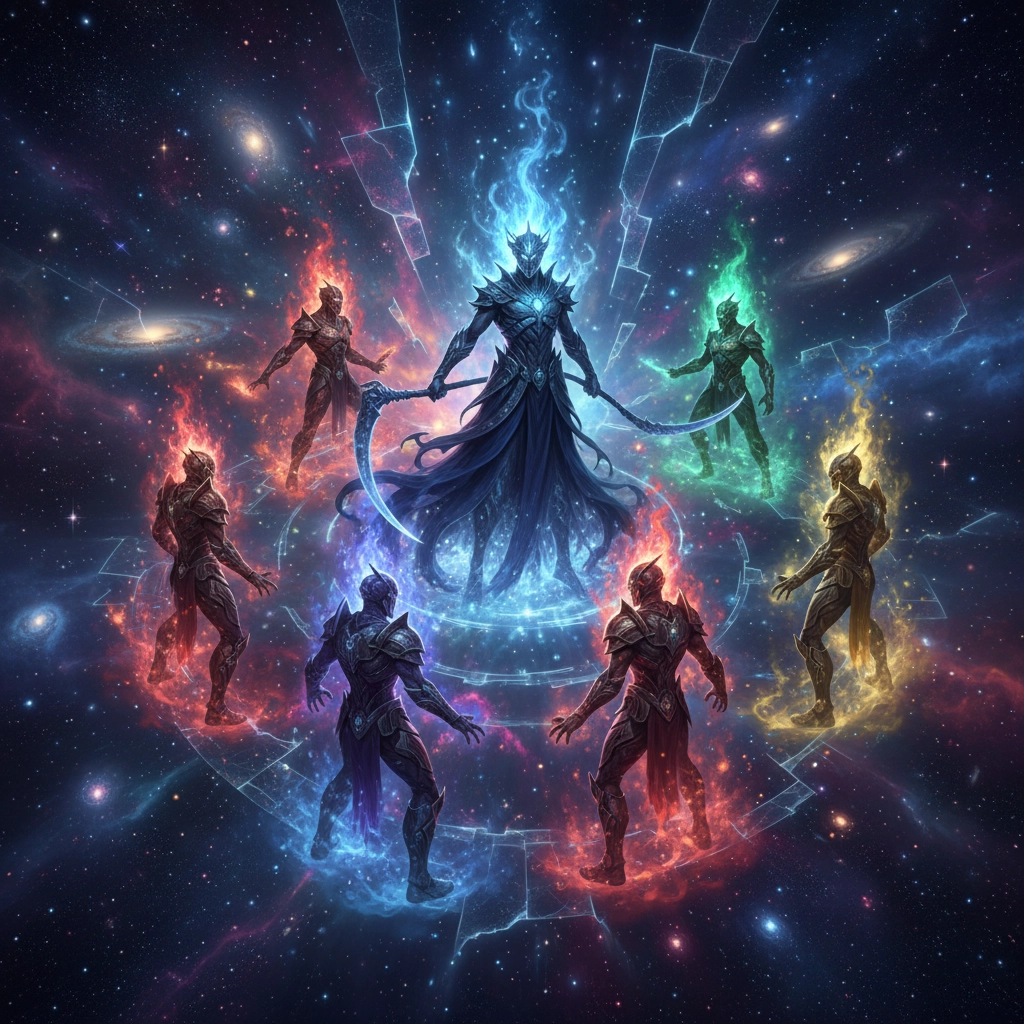
The traditional count varies depending on the source, but we're talking about either 200 or 601 Ajogun total, with eight principal ones leading the charge. And guess who's the commanding officer? That's right: Iku.
Iku: The Ultimate Authority
In the hierarchy of cosmic forces, only Olodumare: the Supreme Being: holds more power than Iku. Let that sink in for a moment. We're talking about a spiritual force that outranks every Orisha, every ancestor, every other power you can think of except the Source itself.
What makes Iku so powerful? Freedom. While other Ajogun have specific limitations and boundaries, Iku operates with the most autonomy. Death doesn't ask permission. Death doesn't wait for convenient timing. Death doesn't care about your plans, your age, your good intentions, or your unfinished business.
But here's what many people miss: Iku isn't just about physical death. This force represents the death of opportunities, relationships, stability, dreams, and old versions of yourself. Every major transition in your life: every moment when something ends so something new can begin: that's Iku's territory.
The Eight Principal Ajogun
Iku doesn't work alone. The eight principal Ajogun form a complete system of challenges that human beings face:
- Iku (Death) – The ultimate transition
- Arun (Disease) – Physical and spiritual illness
- Ofo (Loss) – Losing what we value
- Egba (Paralysis) – Being stuck, unable to move forward
- Oran (Big Trouble) – Major life disruptions
- Epe (Curse) – Negative spiritual influences
- Ewon (Imprisonment) – Being trapped by circumstances
- Ese (Affliction) – Ongoing suffering or hardship
Notice how these aren't random bad things that happen. They're systematic challenges that force growth, change, and spiritual development. Iku leads this team because death: transformation: is the ultimate teacher.
Iku in Ifá Divination
When Iku shows up in divination, it's not necessarily a death sentence (though it can indicate mortality issues). More often, it's announcing that something in your life needs to die so something better can be born. Maybe it's a relationship that's run its course. Maybe it's a job that's no longer serving your highest good. Maybe it's an old identity you've been clinging to.
Experienced practitioners know that Iku's presence in divination is actually an invitation. It's Spirit saying, "Are you ready to let go? Are you prepared to transform? Can you trust the process of renewal?"

How to Work With Iku's Energy
Now, you might be thinking, "Great, so how do I protect myself from this force?" But that's the wrong question. The right question is: "How do I work with this energy in a way that serves my highest good?"
Ancestor Veneration
Your ancestors have all walked through Iku's territory. They know the landscape. Regular ancestor veneration isn't just about respect: it's about accessing wisdom from those who've successfully navigated the ultimate transformation. They can guide you through the smaller deaths that prepare you for the big one.
Spiritual Renewal Practices
Iku responds to people who aren't afraid of change, who embrace renewal, who understand that endings are beginnings. Regular spiritual cleansing, meditation, and practices that help you release what no longer serves you show respect for Iku's role in your life.
Working with Obatala
Obatala, the Orisha of peace and longevity, offers specific protection when dealing with Iku's energy. This isn't about avoiding death: it's about ensuring that when transitions come, they happen with grace, wisdom, and proper timing.
When Iku Gets Your Attention
Sometimes Iku's influence shows up as a series of losses, unexpected endings, or a general sense that everything familiar is falling apart. Before you panic, ask yourself: What is trying to be born in my life? What old patterns, relationships, or situations need to end for my growth to continue?
This is when consulting with a qualified Babalawo becomes essential. Through Ifá divination, you can understand whether Iku's presence in your life is about:
- A necessary ending that you're resisting
- A warning to prepare for upcoming changes
- An invitation to deepen your spiritual practice
- A call to honor your mortality and live more fully
The Gift Hidden in Iku's Teaching
Here's what most people don't understand about Iku: this Ajogun offers the greatest gift of all: freedom from attachment. When you truly understand that everything in life is temporary, you stop holding on so tightly. You start appreciating what you have while you have it. You make different choices about how you spend your time and energy.
Iku teaches us to live like we're dying: because we are. Every single one of us is walking toward the same destination. The question isn't whether you'll encounter Iku, but whether you'll be ready when that encounter comes.
Practical Steps for Honoring Iku
- Create an ancestor altar – Even a simple setup with water, white candles, and photos of passed loved ones
- Practice regular spiritual cleansing – Weekly baths with herbs, salt, or Florida water
- Meditate on impermanence – Spend time contemplating the temporary nature of all things
- Complete unfinished business – Don't leave important conversations or actions for "someday"
- Seek divination guidance – Regular check-ins with qualified practitioners
- Study traditional teachings – Deepen your understanding of Yoruba cosmology
Living in Right Relationship with Death
Iku isn't your enemy: Iku is your teacher. This Ajogun forces you to confront the questions that matter: Are you living authentically? Are you fulfilling your purpose? Are you prepared for the transitions life will bring?
When you develop a respectful relationship with Iku's energy, something beautiful happens. You stop wasting time on things that don't matter. You prioritize differently. You love more deeply. You speak your truth more boldly. You live with the urgency that comes from knowing your time here is precious and limited.
The traditional teachings remind us that Iku is not arbitrary or cruel. This force operates according to divine order, cosmic timing, and spiritual necessity. Our job isn't to avoid Iku: it's to live so fully, so authentically, so connected to our purpose that when our time comes, we can meet this ultimate transformation with dignity and readiness.
Remember: your ancestors survived every single challenge that came their way, including their final encounter with Iku. Their wisdom, their strength, their guidance lives on in you. Trust that you have everything you need to navigate whatever transformations lie ahead.
Are you ready to stop fearing change and start embracing the profound teachings that Iku offers? Your spiritual development: and your peace of mind( depends on it.)