
When people ask me about the Iyaami, I can see the curiosity mixed with a little bit of fear in their eyes. And honestly? That reaction tells me everything I need to know about how disconnected we've become from understanding the true nature of feminine spiritual power.
Let me tell you straight up: the Iyaami are not the boogeywomen that colonial Christianity and Islam painted them to be. They're not your Hollywood witches stirring cauldrons and casting evil spells. The Iyaami represent something far more profound, ancient, and essential to the very fabric of existence.
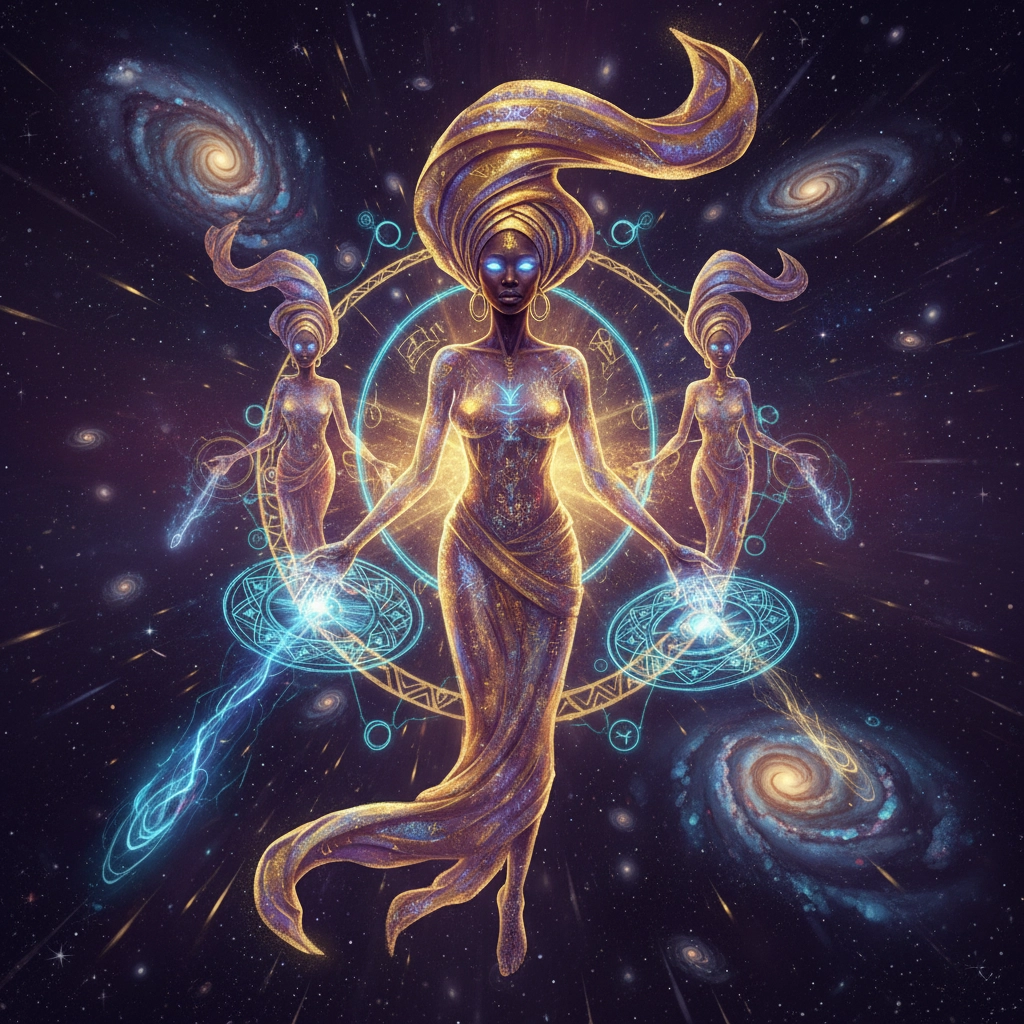
In the Yoruba language, "Iya" means mother, and "Iyami" translates to "my mother." But when we shift the tones, and trust me, tone matters in Yoruba, "Ìyààmi" or "Ìyàmi" becomes "the super-powerful ones" or "My Mysterious Mother." We're talking about the collective ancestral mothers of Africa, both as primordial forces of nature and as our biological ancestral mothers who came before us.
The Sacred Names That Command Respect
The Iyaami don't just have one name, they carry multiple praise names that reflect different aspects of their power. You'll hear them called Iyami Osoronga, Awon Iya Wa (Our Mothers), Eleye (Owner of the Sacred Bird), Iya Iyami, and many others. Each name carries weight, carries meaning, carries the essence of what they represent in our cosmology.
These aren't just pretty titles we throw around. When a Babalawo mentions "Awon Iya Wa" during divination, he's acknowledging the collective power of maternal ancestors who shape destiny itself. When we say "Eleye," we're recognizing their dominion over the sacred birds that carry messages between heaven and earth.
Aje: The Power That Runs Through Everything
Here's where we need to get real about what Aje actually means, because this concept has been twisted and misunderstood for centuries. Aje is not "witchcraft" in the European sense, it's the fundamental creative, biological, and spiritual power that flows through African women and their descendants.
This power encompasses healing, creation, destruction when necessary, spiritual development, and the kind of political organization that kept our communities thriving for millennia. It's the force that creates life in the womb, sustains communities, and maintains the delicate balance between the physical and spiritual worlds.
Every woman carries some aspect of this power simply by virtue of being woman. It's not something you join like a club or learn from a book, it's encoded in your DNA, passed down through generations of mothers who survived everything history threw at them.
The Sacred Symbols: Birds, Bats, and Ancient Wisdom
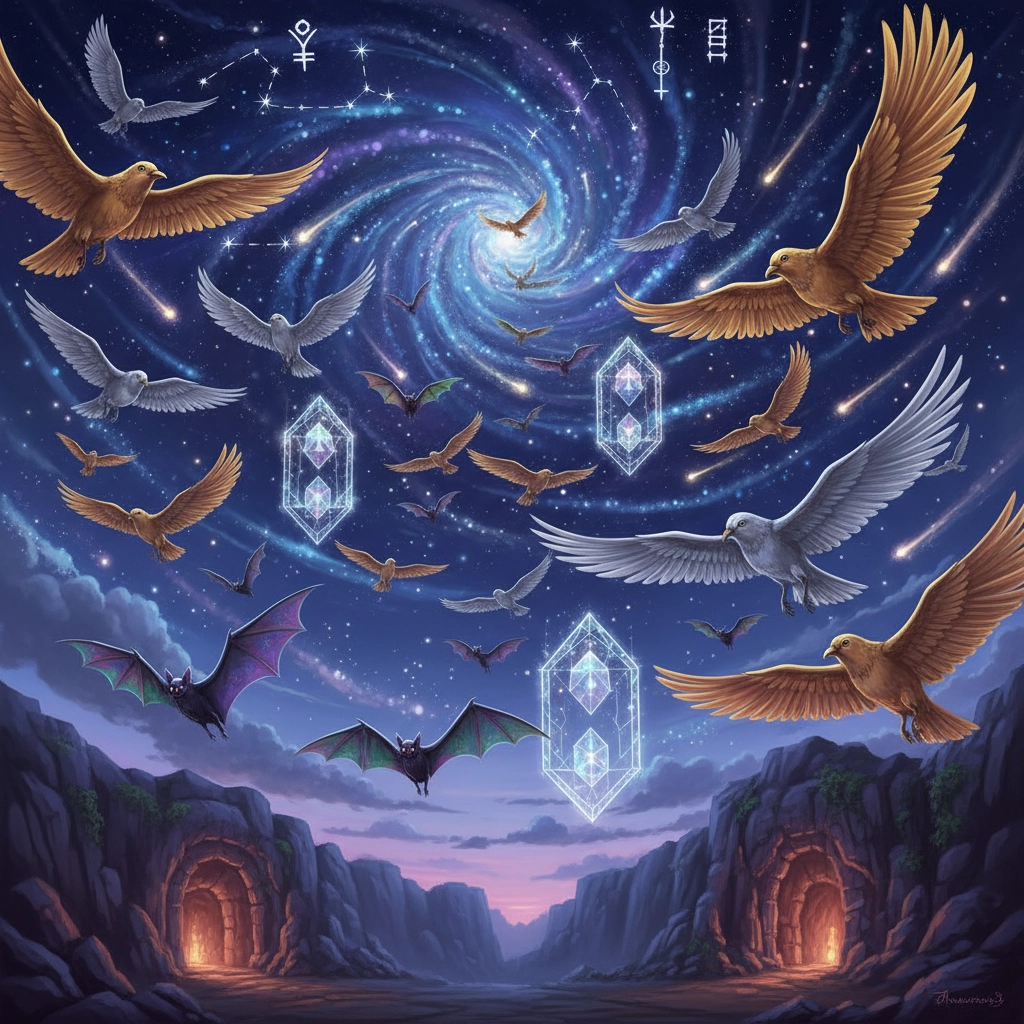
The Iyaami's symbols are birds and bats, and there's deep wisdom in this association. Birds can fly between the earthly and celestial realms, carrying messages from the ancestors and orisha back to us. They see from above, they see the bigger picture that we humans miss when we're stuck in our day-to-day struggles.
Bats, on the other hand, are the night navigators. They live in caves, symbolic wombs, and they can see through darkness from perspectives that would disorient the rest of us. They represent the Iyaami's ability to perceive truth even in situations where everyone else is stumbling around blind.
Think about it: when you're dealing with a family crisis or community conflict, don't you wish you had that kind of perspective? That ability to see through the chaos and understand the real dynamics at play?
Every Woman's Birthright
Let's address something that makes people uncomfortable: all women have natural access to connect with Iyami/Aje power. Period. This isn't about being "chosen" or having special bloodlines or going through secret initiations. If you can conceive, carry, birth, and nurture life, or if you carry that biological blueprint even if you don't choose to use it, you have this connection.
This doesn't mean every woman is actively working with these forces or even aware of them. But the potential is there, woven into the very fabric of what it means to be woman in the cosmic sense.
And before someone starts panicking about "dark feminine energy," let me clarify: the Iyaami are neutral forces. They're like all mothers, capable of fierce protection and devastating discipline. They can nurture you through your worst moments and check you when you're acting a fool. That's not evil; that's balance.
Masters of the Marketplace
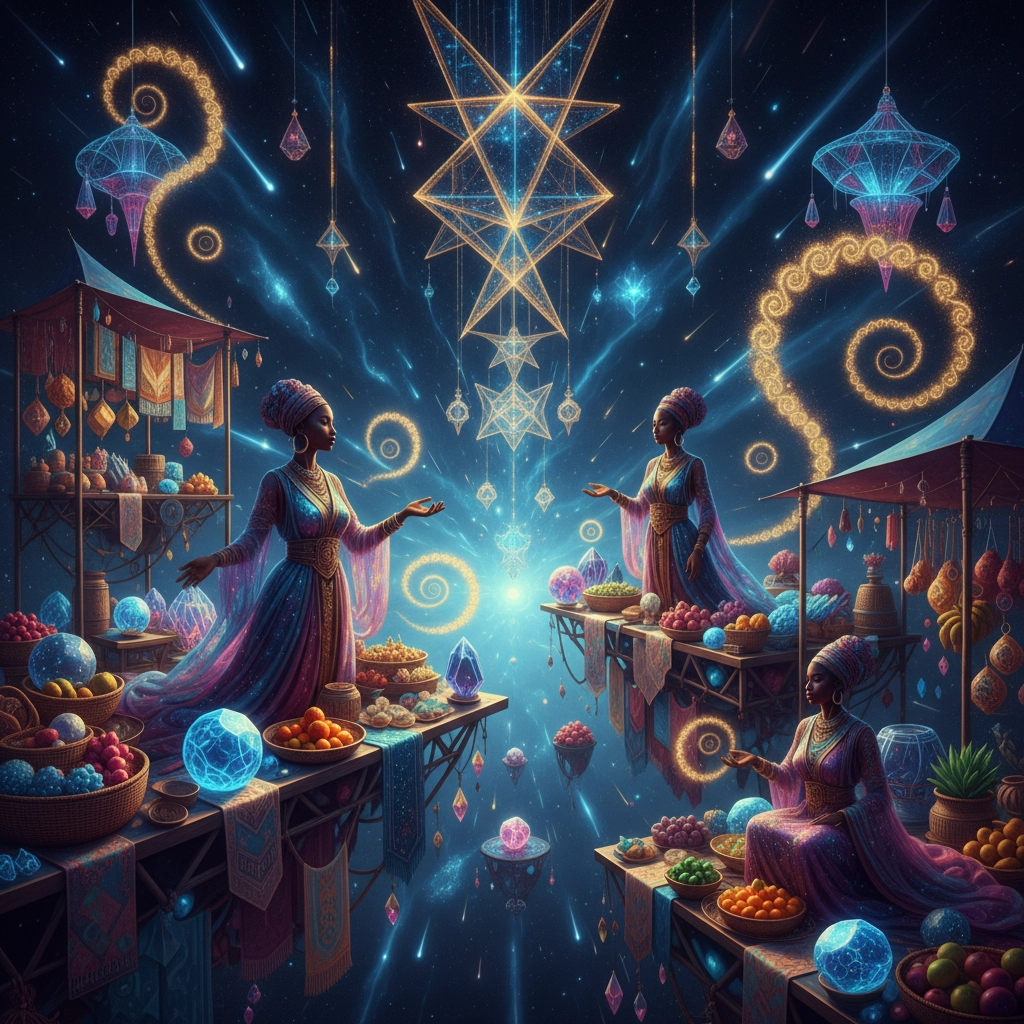
Here's something that often gets overlooked in spiritual discussions: the Iyaami have always been economic powerhouses. They preside over markets and commerce because they understand a fundamental truth, goods come from the land, and women have always been the masters of the land.
In traditional Yoruba society, the iyalode (the female chief) heads up commerce and business. These women didn't just sell goods; they controlled trade routes, managed resources, and made decisions that affected entire communities. The Iyaami's influence flows through these earthly expressions of feminine economic power.
When you see African market women negotiating deals, managing complex financial arrangements, and building business empires with nothing but determination and wisdom, you're witnessing Aje power in action.
The Great Misunderstanding
Now let's talk about the elephant in the room: how the Iyaami became demonized and driven underground. When patriarchal religious systems, Islam and Christianity, gained power in Yoruba territories, they brought with them the European witch-hunt mentality.
Suddenly, the same women who had been revered as wisdom keepers and community leaders became "dangerous" and "evil." Sacred ceremonies that women had performed for generations were suddenly restricted to men only. The Iyaami were forced into secrecy to avoid persecution and death.
This wasn't just religious conversion, this was systematic dismantling of feminine spiritual authority. And the effects are still reverberating today when people hear "Iyami" and immediately think "something to be feared" instead of "something to be honored."
Honoring the Mothers Today
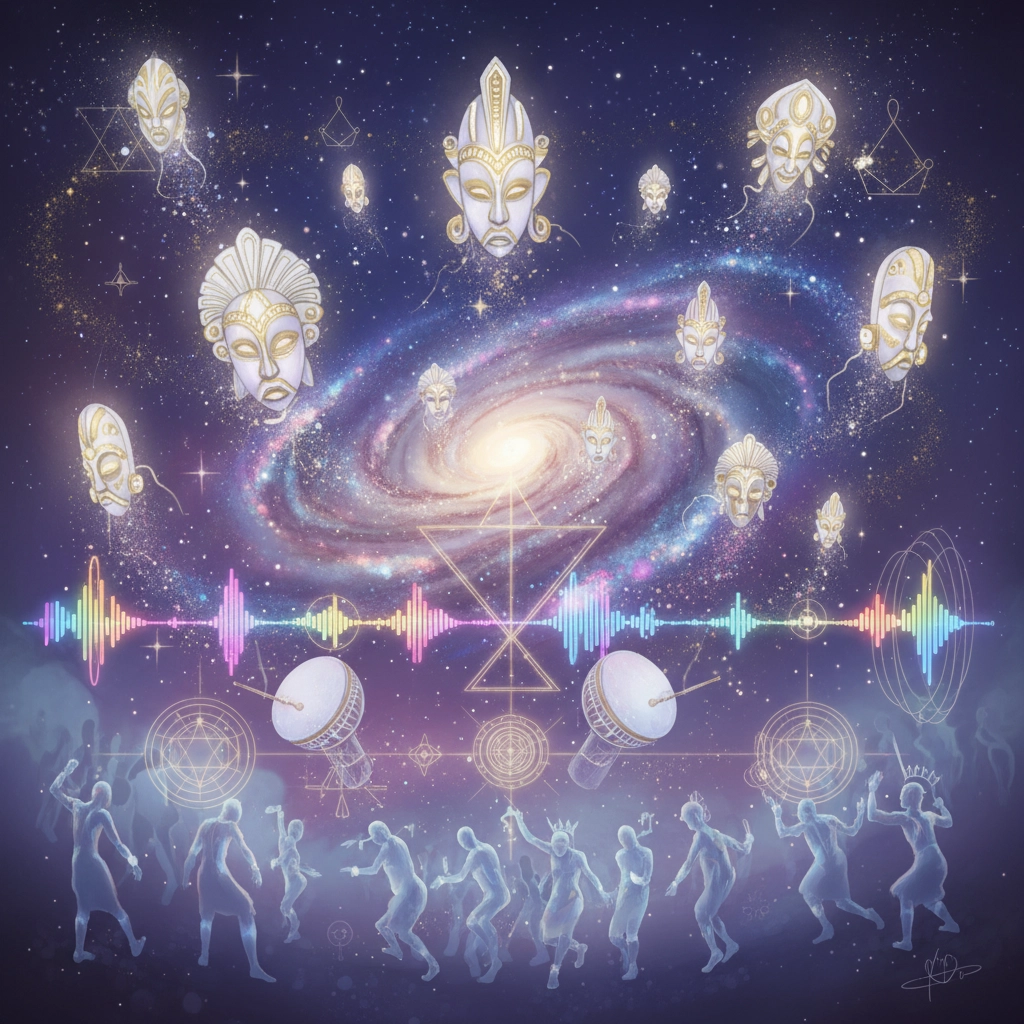
The beautiful thing is that despite centuries of suppression, the reverence for Iyami never completely disappeared. The Gelede festivals continue to this day, bringing entire communities together to thank and praise the Iyami Aje for their protection and support.
During Gelede, you'll see elaborate masks representing different aspects of the Iyaami, including Iyami Osoronga, honored as Iya Nla (Great Mother) and represented by a white mask. These aren't just cultural performances, they're active spiritual ceremonies that maintain the connection between communities and their ancestral mothers.
But you don't need to wait for a festival to honor the Iyaami. You can acknowledge them in your daily practice, in how you treat the elder women in your life, in how you approach your own feminine power with respect rather than fear.
Working With the Iyaami in Your Practice
If you're called to work with the Iyaami, and you'll know if you are, approach with respect, humility, and genuine intention. This isn't about gaining power for power's sake. This is about aligning yourself with forces that have been sustaining life and maintaining cosmic balance since before recorded history.
Start simple. Honor the mothers in your lineage. Create space for the elder women in your community to share their wisdom. Pay attention to the birds that show up in your life, what messages might they be carrying?
And please, for the love of all that's sacred, don't appropriate this tradition. If you're not of African descent, you can certainly learn about and respect the Iyaami, but this isn't your spiritual heritage to claim. There are wisdom traditions in your own ancestral lines that need your attention.
The Call to Remember
The Iyaami are calling us back to remember what we've forgotten about the sacred nature of feminine power. They're asking us to stop fearing the very forces that created and sustain us. They're challenging us to reclaim our connection to the ancestral mothers who survived everything so that we could be here today.
This isn't about gender wars or competing with masculine energy. This is about restoring balance to a world that has forgotten how to honor the life-giving, life-sustaining, community-building power of the divine feminine.
The Iyaami have been waiting patiently for us to remember who we really are. The question is: are you ready to answer their call?