
Let's get real for a minute. You've felt that pull, haven't you? That deep knowing that there's something calling you toward the Yoruba tradition, toward connecting with the Orisha. Maybe you've been having dreams, seeing repeated signs, or just feeling this inexplicable draw toward African spirituality.
But here's the thing, and I'm going to be straight with you because someone needs to be, most people approaching this sacred tradition are making some serious mistakes. Not because they're bad people or lack genuine intention, but because nobody taught them better. And in a world where spiritual TikTok and Instagram "gurus" are mixing up traditions faster than a blender on high speed, it's easy to get lost.
The Yoruba tradition isn't a trend you can pick up from a weekend workshop or a YouTube playlist. It's a living, breathing spiritual system that's been refined over thousands of years. Your ancestors, whether biological or spiritual, didn't preserve this wisdom for you to treat it like fast food spirituality.
So let's talk about the five biggest mistakes people make when connecting with Yoruba Orisha, and more importantly, how you can course-correct before you find yourself spiritually sideways.
Mistake #1: Rushing the Sacred Process Like You're Racing to Catch an Uber
Listen, I get it. We live in an Amazon Prime world where everything arrives in two days or less. But divine timing doesn't operate on your schedule, and neither do the Orisha.
The biggest mistake? Treating the identification of your Orisha like a spiritual speed-dating session. You want to know right now which Orisha claims you, what your spiritual destiny looks like, and how fast you can get to the "good stuff." But here's what rushing gets you: confusion, misinterpretation, and potentially connecting with energies that aren't meant for your path.
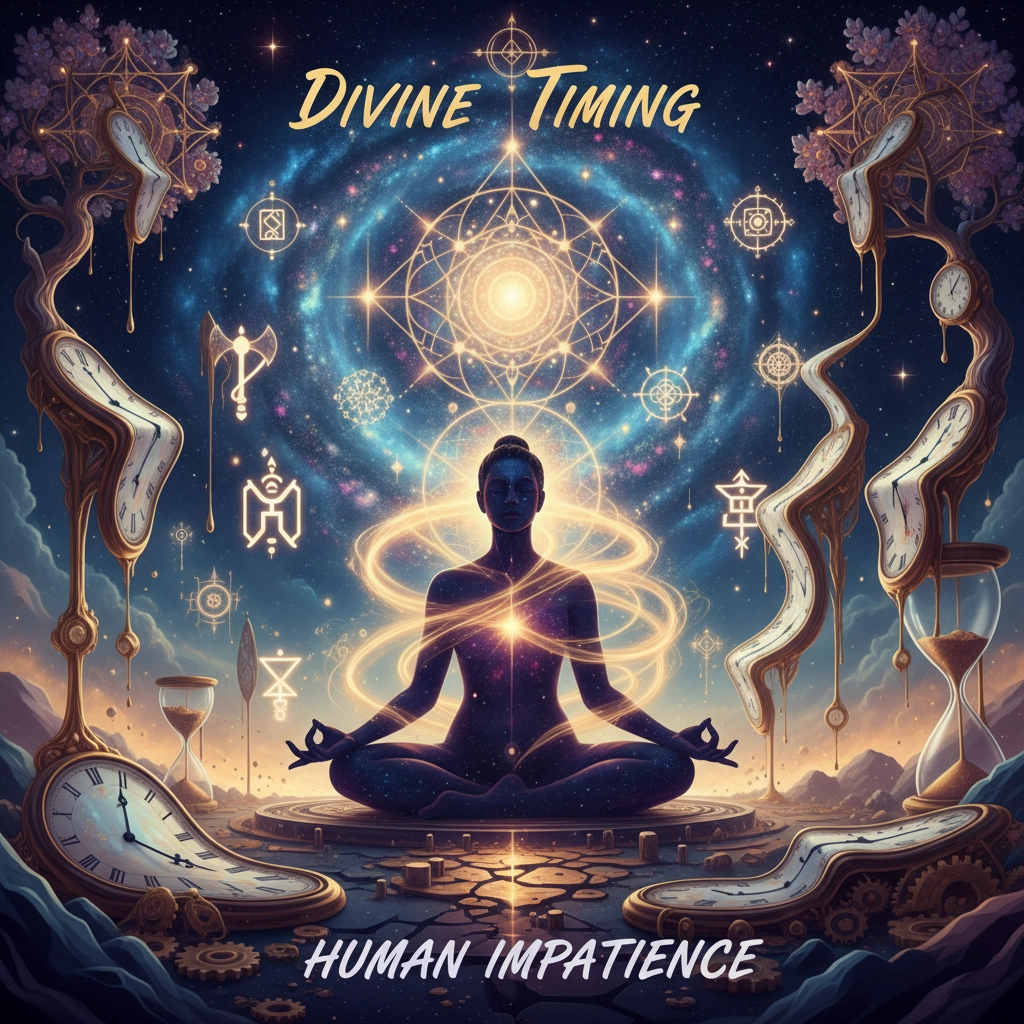
Your Orisha will reveal themselves when the moment is spiritually appropriate, not when your impatience demands it. This isn't a cosmic vending machine where you insert your good intentions and get instant spiritual clarity.
The Fix: Start with patience and consistent practice. Begin each day acknowledging Olodumare (the Supreme Divine) and simply asking for guidance. Light a white candle, offer cool water, and sit with the understanding that spiritual relationships develop over time. Just like you wouldn't expect to know someone's deepest secrets after one conversation, your relationship with your Orisha unfolds gradually.
Set aside daily time for prayer and meditation, even five minutes counts more than sporadic hours-long sessions. Trust the process. Your spiritual team already knows what they're doing; the question is whether you're ready to listen.
Mistake #2: Playing Spiritual Detective with Surface-Level Signs
Oh, you love the color blue and feel drawn to the ocean, so you must be a child of Yemoja? You're attracted to red and white, so clearly Shango is your father? Hold up, spiritual Sherlock Holmes, it's not that simple.
This mistake is like deciding you're meant to be a doctor because you liked playing with toy stethoscopes as a kid. Colors, symbols, dreams, and initial attractions can provide helpful indicators, but they should never be your sole basis for spiritual identification.
The problem with superficial sign-reading is that it leads to spiritual cosplay instead of authentic connection. You end up mimicking what you think you should be instead of discovering who you actually are.
The Fix: Use signs as starting points, not destinations. Keep a spiritual journal documenting your dreams, repeated symbols, and intuitive hits, but don't make definitive decisions based on these alone. Instead, use them as conversation starters with experienced practitioners.
Pay attention to patterns over months, not moments. How do you feel around water versus fire? What happens when you're in nature versus urban environments? Notice your natural temperament, your challenges, your gifts. The Orisha choose us based on what we need for our spiritual evolution, not necessarily what we think we want.
Mistake #3: Going Solo When You Need Spiritual Mentorship
Here's where the DIY approach to spirituality gets dangerous. Yes, your personal spiritual experiences matter, but thinking you can navigate this tradition without guidance from experienced practitioners is like trying to perform surgery after watching Grey's Anatomy.
The "I don't need anyone to tell me my truth" mentality might work for choosing your outfit, but it's potentially harmful when dealing with sacred spiritual technologies that can literally alter your life path.

Too many people are getting their spiritual education from random websites, mixing traditions like they're creating a smoothie, or following influencers who learned about Orisha from other influencers. This isn't just culturally disrespectful: it's spiritually risky.
The Fix: Find authentic teachers, elders, or initiated priests who can provide proper guidance. This doesn't mean you can't trust your intuition: it means your intuition works best when informed by wisdom and experience.
Look for practitioners who emphasize respect for tradition, who can explain the why behind practices, not just the what. Real teachers will encourage your questions and help you understand the cultural context of what you're learning.
Don't be afraid to ask about someone's training, lineage, and approach to teaching. Authentic practitioners won't be offended by respectful questions about their credentials: they'll appreciate that you're taking the tradition seriously.
Mistake #4: Treating Your Altar Like Spiritual Interior Design
Your altar isn't a Pinterest project. It's not about how pretty it looks in your Instagram stories. Yet so many people are setting up altars like they're staging a photoshoot instead of creating a sacred space for divine communication.
Common altar mistakes that can actually attract unwanted energies or show disrespect:
- Mixing incompatible Orisha energies (some don't play well together)
- Using synthetic materials instead of natural ones
- Not maintaining the space properly (spoiled offerings, stagnant water)
- Approaching the altar without proper respect or preparation
- Treating it like decoration instead of living spiritual technology

Your altar is a phone line to the divine. Would you use a broken phone and wonder why your calls aren't going through?
The Fix: Start simple and authentic. A clean white cloth, a glass of fresh water, a white candle, and genuine intention will take you further than an elaborate setup you don't understand.
Change water regularly: weekly at minimum, daily if possible. Keep offerings fresh and remove them before they spoil. Natural materials work better than plastic or artificial items. Real flowers, fresh fruit, and clean water show respect and maintain proper energy flow.
Before approaching your altar, wash your hands and center yourself. This isn't about perfection: it's about reverence. Speak to your Orisha like the divine beings they are, not like cosmic customer service representatives.
Mistake #5: Treating Spiritual Practice Like a Hobby You Do When You Feel Like It
Consistency beats intensity every single time. But most people approach Orisha work like they approach gym memberships: enthusiastically at first, then sporadically, then not at all.
Building a meaningful relationship with your Orisha requires regular, consistent practice. Not elaborate rituals every few months when you remember, but simple daily acknowledgment and connection.
The Orisha aren't interested in your spiritual performance once a week. They want relationship, and relationships require consistent nurturing.
The Fix: Commit to daily practice, even if it's just five minutes. Better to pray genuinely for five minutes every day than to do an hour-long ritual once a month.
Create sustainable practices that fit your actual life, not your ideal life. If you're not a morning person, don't commit to elaborate dawn prayers. If you travel for work, develop portable practices you can maintain anywhere.
Establish non-negotiable spiritual minimums: daily acknowledgment of Olodumare, weekly altar maintenance, monthly deeper reflection or divination. Build from there as your practice strengthens.
Moving Forward with Authentic Respect
Here's the bottom line: the Orisha tradition isn't here to make you feel special or give you spiritual bragging rights. It's here to transform you, challenge you, and connect you with ancestral wisdom that can literally change your life.
Your spiritual journey with the Orisha is deeply personal and sacred, but it's not meant to be walked alone. Approach it with patience, humility, and genuine respect. Start with daily prayers, maintain your altar with reverence, seek proper guidance when needed, and trust the process.
The Orisha don't need your perfection: they need your sincerity. They're not interested in your spiritual performance: they want authentic relationship. Stop trying to impress them and start listening to them.
Remember: some spiritual matters require experienced guidance. When you're facing major life challenges, considering initiation, or feeling spiritually confused, consulting with knowledgeable elders isn't admitting weakness: it's showing wisdom.
Are you ready to approach this sacred tradition with the respect and commitment it deserves? Your spiritual team is waiting for you to stop performing and start connecting. The question is: when will you?
If you're ready to deepen your understanding of Yoruba spirituality with authentic guidance rooted in tradition, we're here to support your journey. At the Ejiogbe IFA Institute, we believe in honoring the ancestors while meeting you exactly where you are in your spiritual development.