
Let me be real with you for a minute. When I say "what authentic practitioners don't want you to know," I'm not talking about some secret conspiracy. I'm talking about the uncomfortable truth that most people approaching African Vodun are doing it completely wrong, and traditional practitioners are getting tired of watching sacred traditions get butchered by folks who think they can Google their way to enlightenment.
You want the tea? Here it is.
Mistake #1: Thinking Vodun Is Just Spooky Movie Magic
The Problem: You're confusing African Vodun with Hollywood's version of "voodoo." You know, the stuff with pins and dolls and dramatic revenge plots that make for good Netflix binges but terrible spiritual practice.
Here's what actually happened: African Vodun is a sophisticated religious system practiced primarily in Benin, Togo, and Ghana. It's about community healing, ancestral wisdom, and maintaining balance between the physical and spiritual worlds. It's not about cursing your ex or getting revenge on your boss.
The "voodoo dolls" you're thinking of? They're not even really from Vodun. They come from a completely different African folk magic tradition called Hudo. But Hollywood took bits and pieces from different traditions, threw them in a blender with some racist stereotypes, and called it "voodoo."
The Fix: Start treating Vodun like the complete religious tradition it is. We're talking about a faith system that helped enslaved Africans survive unimaginable trauma while preserving their spiritual connections. Show some respect.
Before you touch a single ritual tool, spend time learning the actual history. Read books by African scholars, not random blog posts. Understand that when you approach Vodun, you're not just playing with "magic" – you're engaging with ancestors, spirits, and a living tradition that predates your great-great-grandmother.

Mistake #2: Cherry-Picking Without Understanding Context
The Problem: You saw a cool-looking ritual online and decided to try it without understanding what it means, why it exists, or what cultural framework it belongs to. That's like trying to perform brain surgery after watching a TikTok video.
Every element in Vodun has meaning. The specific objects (called fetishes), the preparations made from liquids and powders, the songs, the movements – none of this exists in a vacuum. When you strip these elements from their context and use them because they "feel right" or "look powerful," you're not practicing Vodun. You're performing cultural appropriation with extra steps.
The Fix: If you don't understand the language, the cultural background, or the specific spiritual framework of a practice, don't do it. Period.
Instead, start with learning. Find authentic teachers who come from the tradition. Visit communities where Vodun is actively practiced. Learn the languages if you can. And here's a radical idea – ask permission. Many Vodun traditions have protocols for outsiders who want to learn respectfully.
Stop trying to DIY your way through someone else's ancestral wisdom. Some knowledge requires initiation, mentorship, and years of relationship-building with the spirits and the community.
Mistake #3: Expecting Quick Fixes and Instant Results
The Problem: You want Vodun to work like Amazon Prime – instant gratification with overnight delivery. You're approaching spirits like they're cosmic vending machines where you drop in a candle and some cowrie shells and expect your problems to be solved by Thursday.
African Vodun is about building relationships with spirits over time. These spirits (called Vodun or Lwa depending on the specific tradition) are understood as complex beings with their own personalities, preferences, and agendas. They're not your personal magical assistants.
The Fix: Slow down. Way down.
Start by learning about the specific spirits in the tradition you're drawn to. What do they care about? What do they dislike? What's their history? How do they typically interact with humans?
Then, approach them like you would approach any important relationship – with patience, consistency, and genuine respect. Make regular offerings. Spend time at their altars. Learn their songs and prayers. Show up even when you don't need anything.
Real spiritual transformation takes time. If you're not prepared for that timeline, stick to self-help books and leave the ancestors alone.

Mistake #4: Ignoring Lineage and Community
The Problem: You think you can practice Vodun as a solo spiritual path because you read some books and bought some supplies online. You're treating it like yoga or meditation – something you can just add to your personal spiritual toolkit.
But Vodun is inherently communal. It's passed down through specific lineages, practiced in communities, and maintained through relationships between elders and students. The knowledge isn't just in books – it's in the living transmission of practices, stories, and relationships that happen between people.
The Fix: Find community. Find teachers. Find lineage.
This might mean traveling. It might mean learning new languages. It definitely means stepping outside your comfort zone and submitting to guidance from people who know more than you do.
Look for authentic Vodun communities, not just spiritual groups that incorporate "Vodun elements" into their practice. Connect with organizations that maintain ties to traditional practitioners in West Africa. Support African spiritual teachers and communities financially.
And here's the hard part – you might discover that you can't access certain levels of the tradition without initiation, or that some practices aren't meant for you at all. That's not discrimination. That's preservation.
Mistake #5: Mixing Vodun with Everything Else
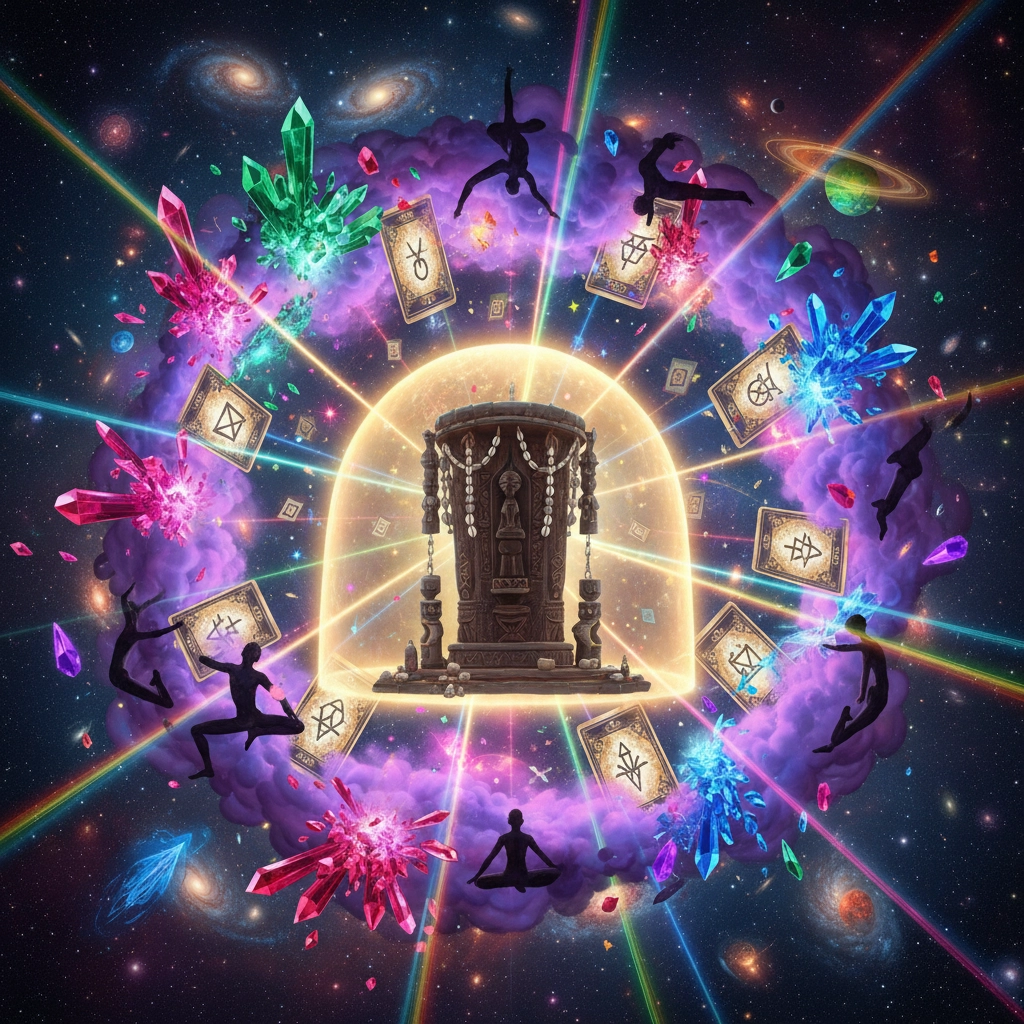
The Problem: You're creating some kind of spiritual smoothie where you blend Vodun with your yoga practice, your tarot readings, your crystal collection, and whatever else caught your attention on Instagram this week.
Different spiritual traditions have different energetic signatures, different ways of working with spirit, and different cosmological frameworks. When you mix them carelessly, you're not creating some beautiful syncretic practice – you're creating spiritual confusion.
Vodun spirits are specific. They have particular ways they like to be approached, specific offerings they prefer, and distinct personalities. When you try to call on them using methods from completely different traditions, or when you invite them into spaces that are already crowded with other spiritual influences, things get messy.
The Fix: Pick a lane and stay in it, at least until you actually understand what you're doing.
If you want to work with Vodun, commit to learning Vodun on its own terms. Give it the time and attention it deserves. Let it teach you its own internal logic before you try to integrate it with other practices.
This doesn't mean you have to abandon everything else in your spiritual life, but it does mean creating clear boundaries and protocols. Maybe you have specific times for Vodun practice and different times for other spiritual work. Maybe you maintain separate sacred spaces.
Whatever you do, stop treating spiritual traditions like a buffet where you can take a little of this and a little of that without understanding how they work together.
The Real Tea: What Practitioners Actually Want You to Know
Here's what traditional Vodun practitioners actually don't want you to know – they don't want you to stay ignorant. They don't want you to keep perpetuating harmful stereotypes. They don't want their ancestors' wisdom turned into some kind of spiritual entertainment.
What they do want is for you to approach their tradition with the same respect you'd show any other religious practice. They want you to understand that Vodun is a living tradition that continues to serve communities across West Africa and the diaspora. They want you to know that it's about healing, community building, and maintaining connections with the spiritual world.
They want you to stop making the same tired mistakes over and over again.
If you're serious about learning from African Vodun traditions, start by examining your motivations. Are you looking for spiritual power? Community? Healing? Understanding your own ancestral connections?
Whatever your reasons, commit to doing the work properly. Find authentic teachers. Learn the history. Respect the protocols. Support the communities that maintain these traditions.
And most importantly, remember that you're not entitled to access everything. Some knowledge is earned. Some practices require initiation. Some traditions are for specific people in specific contexts.
Your spiritual journey doesn't give you a free pass to take whatever you want from other people's cultures.
Ready to do this right? Start by learning who you are and where you come from before you try to connect with someone else's ancestors. The spirits are watching, and they remember everything.
Want to learn more about authentic spiritual practices and traditional healing methods? Visit our main site to explore our educational resources and community programs.