
You think you're just giving your baby a name? Think again.
When we talk about Esentaye: the sacred Yoruba naming ceremony: we're diving into something way deeper than picking out cute syllables that sound good together. We're talking about a spiritual technology that's been fine-tuned for thousands of years, one that recognizes a truth most of us have forgotten: your child isn't arriving as a blank slate. They're coming home.
The word "Esentaye" literally means "stepping into the world," but don't let that simple translation fool you. This isn't about a baby making their debut: it's about an ancestor making their return. And that changes everything.
The Real Talk About Reincarnation
Let's start with what the Yoruba people have always known: death isn't the end of the story, it's just intermission. When a child is born into a Yoruba family, the understanding is that this little one is carrying ori inu (their inner head), their ayanmo (destiny), and quite possibly the spirit of someone who's walked this earth before through atunwa: sacred reincarnation.
This isn't some New Age concept borrowed from a wellness retreat. This is ancestral wisdom that recognizes the cyclical nature of life and death, the way spirits choose to return to their bloodline to complete unfinished business, heal generational wounds, or simply because they love their people so much they can't stay away.

Your grandmother who passed last year? She might be looking at you through your newborn's eyes right now. That great-uncle who was known for his healing hands? His spirit might have chosen to return to continue serving the family. This understanding completely reframes how we approach birth: not as the creation of something new, but as the welcomed return of someone beloved.
The Sacred Timing: Why Day Three Matters
Here's where Western culture gets it all wrong. We rush to announce births on social media, slap a name on the birth certificate before the baby's even had time to breathe properly, and wonder why our kids seem disconnected from their purpose.
Yoruba tradition says: slow your roll.
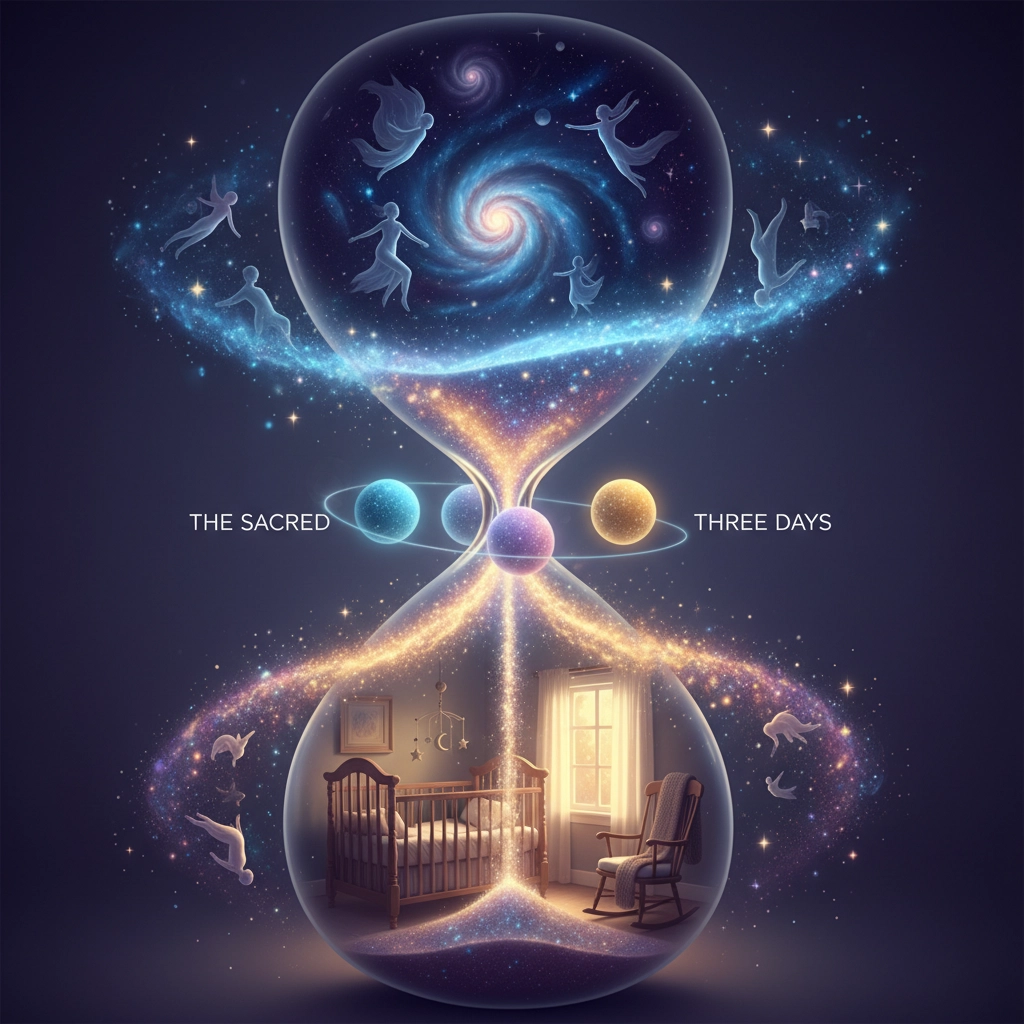
For the first three days after birth, that baby is still transitioning between worlds. They're in a sacred space between the spiritual and physical realms, and we need to respect that process. On the third day: and only then: Esentaye can take place.
This timing isn't arbitrary. It's based on the understanding that it takes time for a spirit to fully settle into a physical body, for the veil between worlds to properly close, and for the spiritual identity of this returning ancestor to become clear enough for proper divination.
The Divination: Who's Really Here?
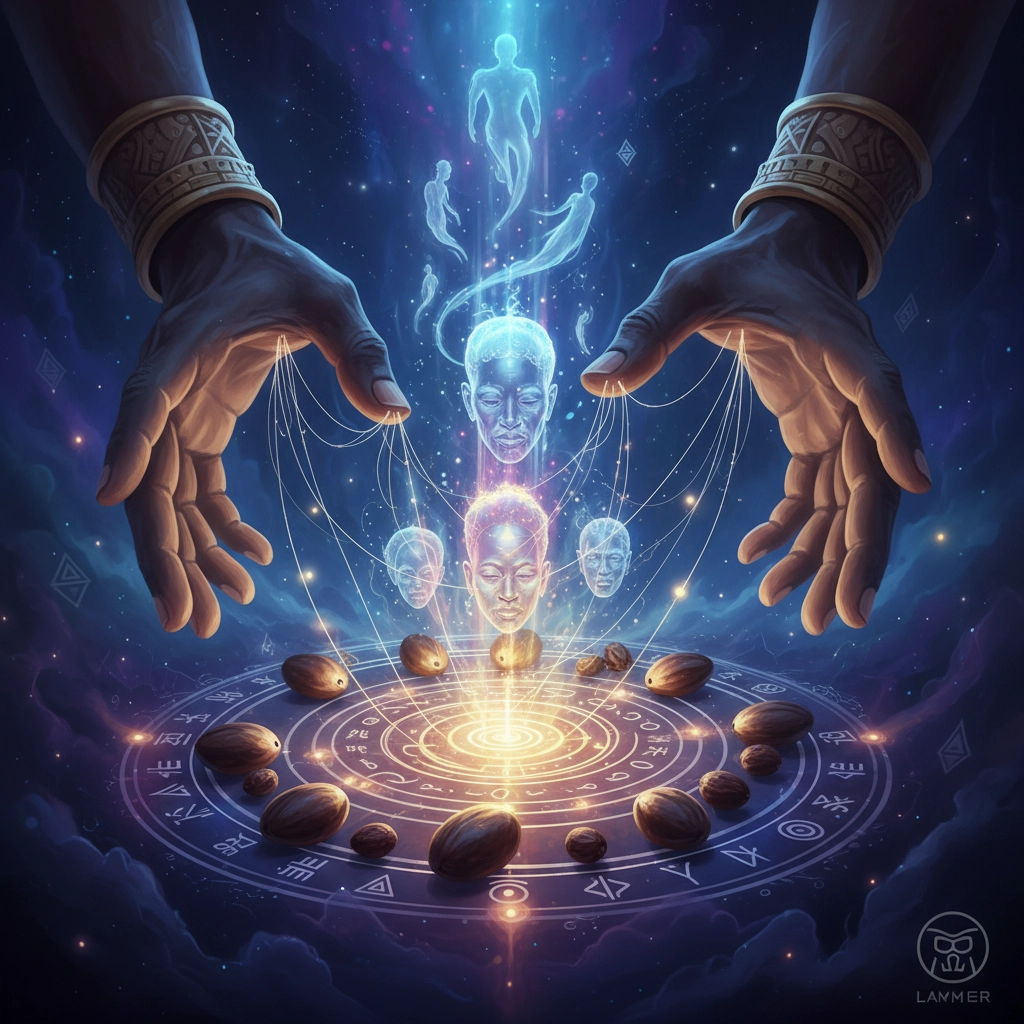
This is where Esentaye gets really interesting. Before any names are spoken, before any celebrations begin, the family consults with a qualified diviner using Ifa or Obi divination to answer the most important questions:
- Which ancestor has returned through this child?
- What is their spiritual purpose in this lifetime?
- Are there any special instructions or taboos they need to follow?
- What names will align them with their destiny?
- Is this child an abiku: a spirit that comes and goes: requiring special spiritual attention?
You can't just wing this part. The divination reveals whether this child carries the warrior spirit of a great-grandfather, the healing gifts of an ancestral medicine woman, or perhaps a completely unique spiritual mission. This information shapes not just the naming, but the entire approach to raising this child.
The Ritual Elements: Every Detail Has Power
Once the divination reveals the child's spiritual identity, the real ceremony begins. And honey, every single element serves a purpose:
The Sacred Tastes
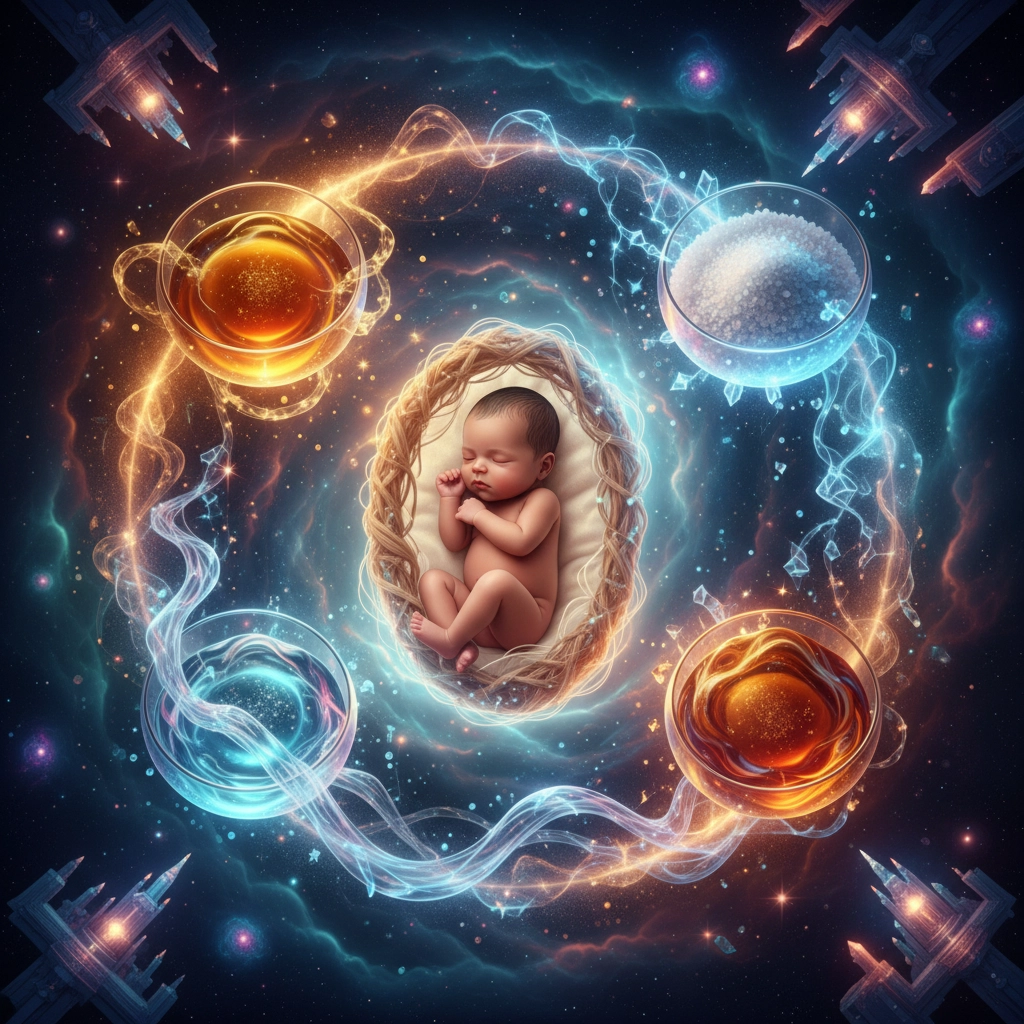
The baby's first flavors are prayers made edible:
- Honey for sweetness in life and divine favor
- Salt for wisdom and preservation from harm
- Water for clarity of mind and spiritual cleansing
- Palm oil for peace and smooth paths ahead
- Kola nut or dried fish for abundance and strength
Each taste is accompanied by specific prayers and incantations, literally feeding the child's destiny while their taste buds are still forming.
The Elemental Introduction
This might be the most beautiful part: the child is lifted up and formally introduced to the sun, earth, and sky. Picture it: this tiny being held up to the cosmos while the community declares, "This ancestor has returned with purpose. All of creation, know this child."
The Power of Oriki
While Western baby books suggest cute nicknames, Yoruba tradition gives us oriki: praise poetry that connects the child to their lineage. These aren't just pretty words; they're spiritual DNA being spoken into the child's consciousness, linking them to generations of strength, wisdom, and power.
Community: Because It Takes a Village to Welcome an Ancestor
Here's something else we've lost in our individualistic culture: the understanding that a child's arrival affects the entire community. Esentaye isn't a private family affair: it's a community celebration because everyone has a role in raising this returning ancestor.
Extended family, neighbors, and spiritual elders gather not just to party (though there's definitely good food and music), but to collectively commit to supporting this child's spiritual development. They're essentially saying, "We recognize who you are, we honor your return, and we pledge to help you fulfill your purpose."
This communal aspect creates a support network that Western nuclear families desperately need. When challenges arise: and they will: there's already a spiritual village in place that understands this child's deeper identity and mission.
Why Names Matter More Than You Think
The name announced during Esentaye isn't chosen from a baby book or because it sounds cute with the last name. These names are divinely revealed, carrying the child's:
- Spiritual purpose
- Connection to returning ancestor
- Protective qualities
- Alignment with their ori (personal destiny)
The name becomes a constant reminder throughout life of who they really are and why they're here. It's like carrying your mission statement in your identity: powerful stuff when you really think about it.
Modern Relevance: Why Diaspora Communities Need This More Than Ever
"But I'm not in Nigeria," you might be thinking. "I'm trying to raise my kids in Brooklyn/London/São Paulo/wherever. Does this still apply?"
Absolutely it does. Actually, it might be even more crucial.
Diaspora communities face unique challenges: cultural disconnection, loss of ancestral wisdom, and children growing up not knowing their spiritual heritage. Esentaye: adapted for modern circumstances: can restore that connection.
You don't need a babalawo in your backyard to honor the spiritual significance of your child's arrival. You can:
- Consult with qualified diviners via video calls
- Create modified ceremonies that honor the principles
- Connect with local Yoruba or African spiritual communities
- Incorporate the essential elements (divination, sacred tastes, ancestral recognition) into your own practice
The key is understanding that your child's arrival is spiritually significant regardless of your zip code.
Making It Real in Your Life
So what does this mean for you practically? Whether you're expecting, just welcomed a new baby, or reflecting on your own spiritual identity, consider these questions:
- What if your child is carrying ancestral gifts that need recognition and nurturing?
- How might understanding their spiritual purpose change your parenting approach?
- What ancestral wisdom has been lost in your family that this child might be here to restore?
- How can you create community support for raising spiritually conscious children?
The Invitation Forward
Esentaye reminds us that every birth is sacred, every child carries purpose, and every family has the opportunity to welcome ancestors home. Whether you embrace the full traditional ceremony or adapt its principles to your circumstances, the invitation is the same: to recognize that parenting is a spiritual responsibility, not just a biological accident.
Your children aren't here by coincidence. They chose you, they chose this time, they chose this purpose. The question isn't whether they carry ancestral wisdom: it's whether you'll create the space to recognize and nurture it.
That's the real gift of Esentaye: it transforms parenting from a series of random challenges into a sacred collaboration with the ancestors who live on through our children.
Are you ready to welcome them home?
Ready to explore how traditional Yoruba practices can enrich your spiritual journey? Connect with us at Ejiogbe IFA Institute to learn more about ancestral wisdom and authentic spiritual guidance.