
Let's cut straight to the chase: No, Ifá is not evil. Period. Full stop. End of discussion.
But I know that simple answer isn't going to satisfy everyone reading this, especially if you've been fed a steady diet of Hollywood horror movies, colonial-era propaganda, or well-meaning but misinformed religious teachings that paint anything African and spiritual as "dark magic." So let's dig deeper and address the elephant in the room.
Why People Think Ifá Is Evil (Spoiler Alert: It's Not About Ifá)
Here's the uncomfortable truth we need to face: the idea that Ifá is evil didn't come from Ifá itself. It came from centuries of systematic campaign to demonize, dismiss, and destroy African spiritual traditions. When colonizers couldn't understand something, they labeled it evil. When enslaved Africans held onto their ancestral wisdom despite brutal attempts to strip it away, that resilience was called dangerous.
Think about it – when's the last time you heard someone question whether Buddhism is evil? Or call Hindu traditions demonic? But African spiritual systems? Oh, they get the full horror movie treatment.
This isn't accidental. It's strategic erasure dressed up as moral concern.
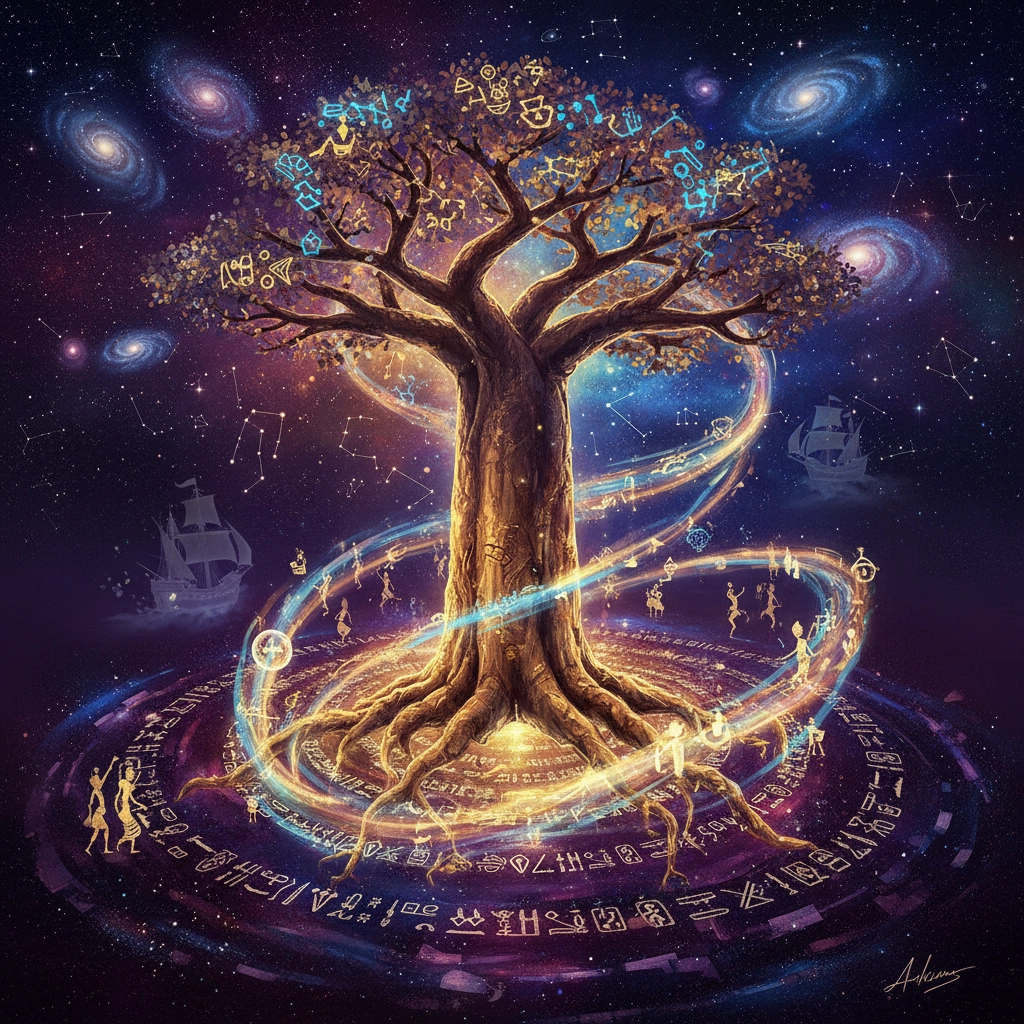
The media hasn't helped either. Every time you see African spirituality portrayed in movies or TV, it's usually some dramatic scene with ominous drums, scary masks, and someone getting cursed. Meanwhile, the actual day-to-day practice of Ifá – which involves philosophical study, ethical guidance, community healing, and personal development – never makes it to the screen.
What Ifá Actually Teaches (And Why That Threatens Some People)
Ifá is fundamentally about balance, harmony, and living ethically. The tradition recognizes Olodumare as the Supreme Being – a genderless, benevolent force that created a universe with everything humans need for fulfillment and happiness. Sound familiar? That's because Ifá might actually be one of the world's oldest monotheistic religions.
At its core, Ifá teaches that:
- Every person is born with inherent goodness and a specific destiny
- We have a responsibility to develop our character
- All of nature possesses sacred energy (called Orisa) that we can communicate with
- Balance and interdependence are the keys to spiritual and physical wellbeing
- Personal responsibility and common sense should guide our actions
Where's the evil in that? Where's the darkness?
The "scary" parts that people fixate on – divination, ancestor communication, ritual practices – are actually sophisticated systems for accessing wisdom, healing trauma, and maintaining spiritual balance. Divination isn't about controlling people or casting spells; it's about understanding patterns, receiving guidance, and making informed decisions.
The Syncretism Smokescreen
Here's where things get really interesting. During slavery, Africans were forced to hide their spiritual practices behind Christian imagery to survive. This syncretism – blending traditions for protection – created beautiful, complex systems like Santería, Vodou, and Candomblé.
But some people use this history to claim these traditions are "corrupted" or "mixed with evil." That's like saying jazz is evil because it combines African rhythms with European instruments. The blending doesn't make it demonic – it makes it resilient, creative, and powerful.
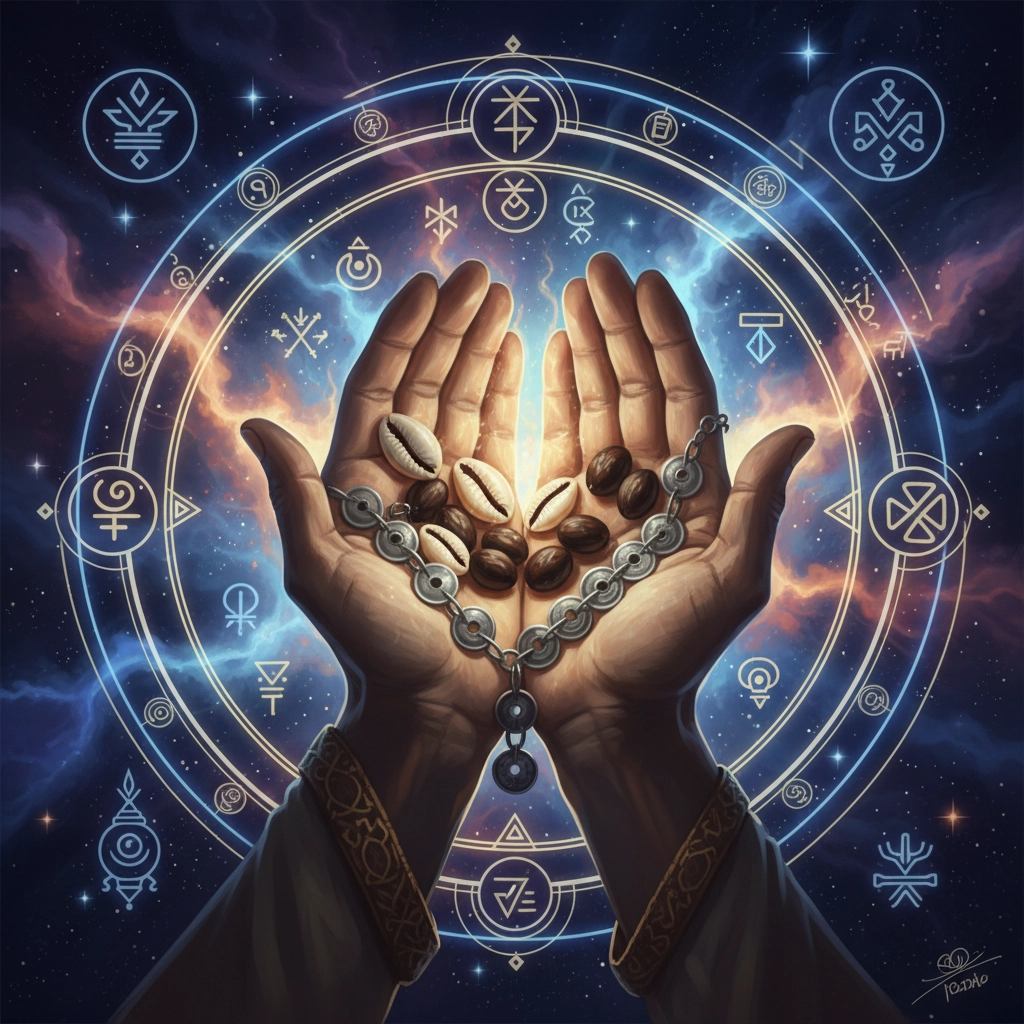
Our ancestors were brilliant. They found ways to preserve sacred wisdom under impossible circumstances. That's not corruption – that's survival genius.
The Real Impact: How Ifá Empowers and Heals
Let's talk about what Ifá actually does in people's lives, because that's where the truth becomes undeniable.
Ifá empowers communities by:
- Providing ethical frameworks for decision-making
- Offering healing practices that address mind, body, and spirit
- Creating support systems through community ritual and shared wisdom
- Preserving cultural knowledge and ancestral connection
- Teaching sustainable relationships with nature and environment
I've seen Ifá help people overcome addiction, heal from trauma, build healthy relationships, and discover their life purpose. I've watched communities use Ifá principles to resolve conflicts, support grieving families, and celebrate life transitions. That doesn't sound very evil to me.
The tradition emphasizes character development (called iwa) as the most important spiritual practice. Not power over others, not material gain, but becoming a better human being. Evil traditions don't typically prioritize ethics and character building.
What You're Really Asking
When someone asks "Is Ifá evil?" they're usually asking one of these deeper questions:
- "Is it safe for me to explore this tradition?"
- "Will I be judged by my community if I'm interested in African spirituality?"
- "Am I betraying my current faith by learning about Ifá?"
- "How do I separate truth from the scary stories I've heard?"
Those are valid concerns, and they deserve honest answers.

An Invitation to Open-Minded Understanding
Look, I'm not asking you to convert to anything or abandon your current beliefs. I'm asking you to think critically about where your information comes from and whether it's been filtered through centuries of bias.
Ifá has been recognized by UNESCO as an intangible cultural heritage of humanity. That doesn't happen for evil traditions. The mathematical complexity of the Ifá divination system, the extensive philosophical corpus, the sophisticated ethical teachings – these point to a profound wisdom tradition, not a dark cult.
If you're curious about Ifá, here's what I suggest:
- Read books by actual practitioners, not sensationalized accounts
- Attend public ceremonies or educational events (many communities welcome respectful observers)
- Ask questions directly to knowledgeable practitioners
- Separate Hollywood fiction from historical reality
- Consider why African traditions have been uniquely demonized compared to other non-Christian spiritual systems
The Bottom Line
Ifá isn't evil. It's misunderstood, misrepresented, and maligned because of historical bias and ongoing cultural prejudice. The tradition focuses on harmony, healing, ethical living, and community empowerment. That's not dark magic – that's wisdom.
The real question isn't whether Ifá is evil. The real question is: are you brave enough to look past the stereotypes and learn something that might challenge your assumptions?
Your ancestors – wherever they came from – understood that wisdom can be found in unexpected places. Maybe it's time to honor that understanding and approach unfamiliar traditions with curiosity rather than fear.
And if someone tries to tell you that connecting with your ancestors, living ethically, or seeking balance in your life is evil, you might want to ask yourself what they're really afraid of. Because it's probably not Ifá – it's the power of people who think for themselves and refuse to be told what to believe.
Ready to learn more? The conversation is just getting started.