
When you hear the word Egungun, you might think "bones." And you're not wrong: but you're also not getting the full picture. In Yoruba, "Egun" does mean bones, but "Egungun" translates to something much more powerful: "the energy of the bones have mounted." That mounting? That's your ancestors literally taking possession of specially created ceremonial attire to visit the living world.
Think of Egungun as the ultimate family reunion: except your relatives are coming from the spirit world, and they've got some things to say.
This isn't just cultural performance art we're talking about. Egungun represents one of the most profound ways the Yoruba people maintain connection with their ancestors. It's a living, breathing tradition where the boundary between Orun (the spirit world) and our physical reality becomes beautifully, powerfully thin.
The Real Power Behind the Masks
Let's get something straight: Egungun isn't costume play. These elaborate masquerades serve as vessels for ancestral spirits to return and engage directly with their descendants. When an Egungun performer puts on those sacred garments, something sacred happens. The community believes: knows: that their ancestors are present, ready to offer blessings, deliver warnings, or simply check in on how things are going down here.
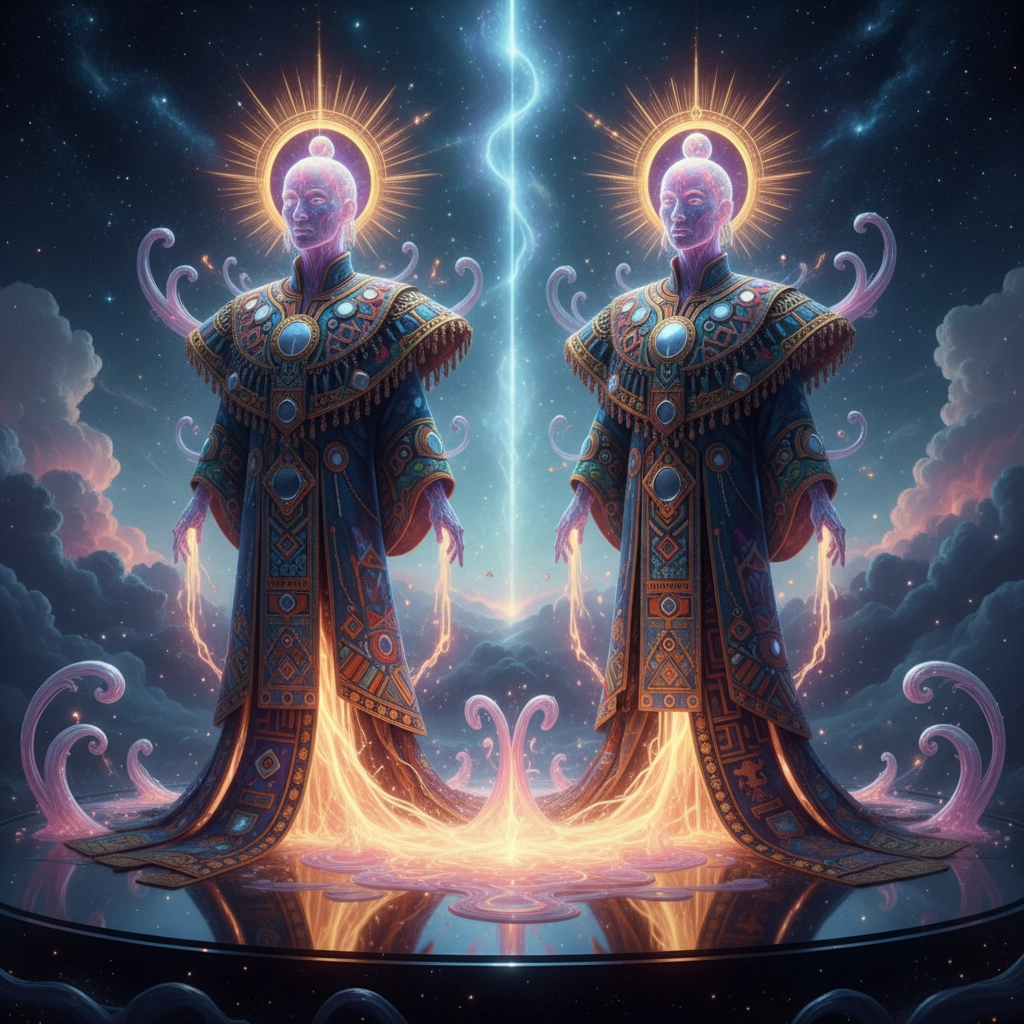
Your ancestors have responsibilities, and one of them is making sure you don't lose your way. Through Egungun ceremonies, they can compel the living to uphold ethical standards, cleanse communities spiritually, and demonstrate both the right and wrong ways to live. Sometimes they're gentle guides; sometimes they're the aunt who tells you exactly what you need to hear, whether you want to hear it or not.
The tradition also goes by other names: "powers concealed" or "living dead": but they all point to the same truth: death isn't the end of the relationship. It's just a change of address.
The Types of Egungun: Your Ancestral Family Tree in Action
Now here's where it gets interesting. Not all Egungun are the same, just like not all your ancestors served the same role in life. Each type of Egungun masquerade has its own purpose, personality, and power. Let's break them down:
Omo Egungun: The Young Ones
"Omo Egungun" means "son of Egungun" or "young Egungun." These masquerades wear costumes made with beautiful, ornate bands of fabric that create mesmerizing patterns as they dance. Their movements are slow and majestic: think of them as the graceful younger generation of the ancestral world, still learning but already showing their power.
Agba Egungun: The Elders Who Command Respect
When Agba Egungun shows up, you pay attention. "Agba" means senior or elder, and these are the most important of the ritual masquerades. Their costumes are elaborate affairs: colorful strips of cloth, mirrors that catch the light, cotton wool, and sometimes even animal skulls encrusted with shells.
Here's what you need to know: when Agba Egungun approaches, protocol matters. People remove their headgear. Cyclists get off their bikes. This isn't optional: it's respect, and there are consequences for those who don't show it. The whip holders walking alongside aren't just for show.
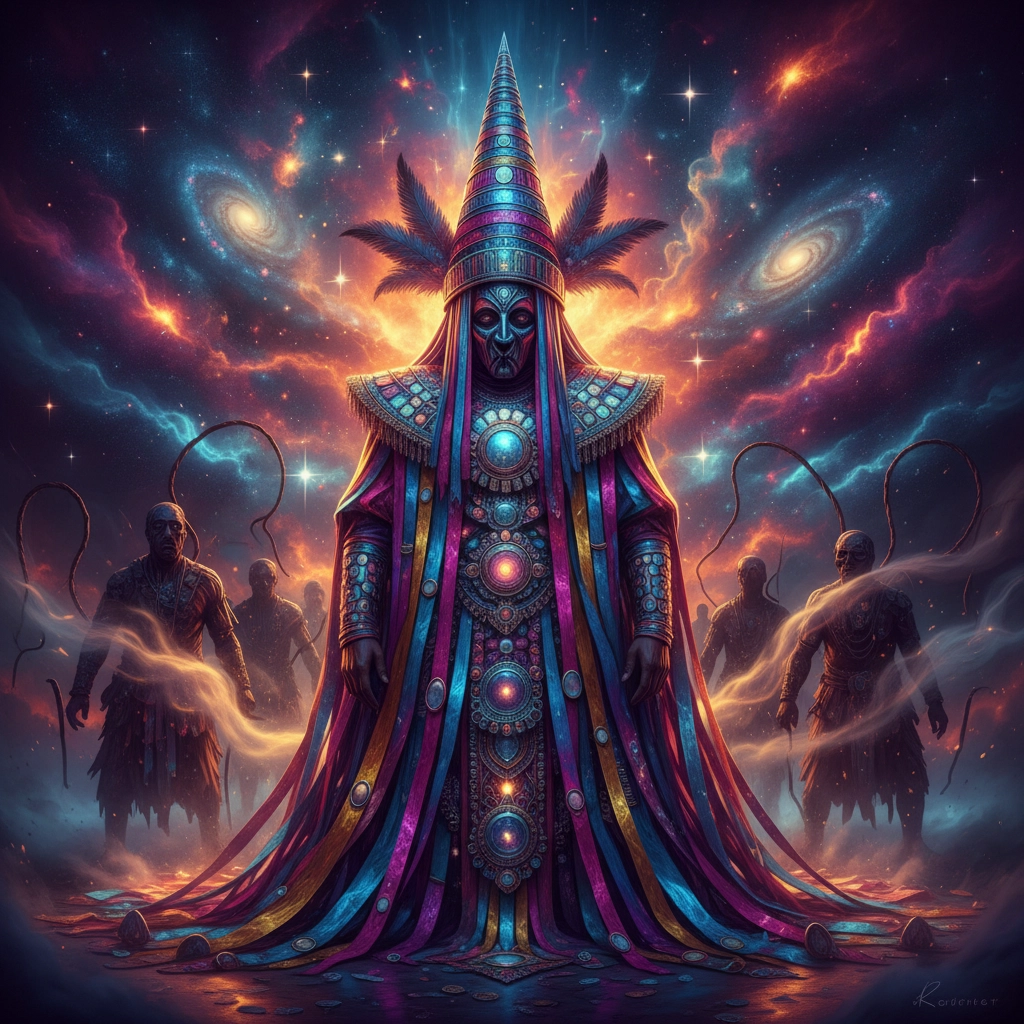
Agba Egungun performs all the serious rites of the tradition. They call the dead. They conduct ceremonies during social emergencies like droughts and epidemics. When your community needs ancestral intervention, these are the ones who make it happen.
Alabebe: The Roamers
"Alabebe" literally means "roam about," and that tells you everything you need to know. These Egungun parade through the streets, either solo or in groups, wearing colorful two-piece costumes with a big garment called Paakara that covers the masker's head and flows down to the knees.
But here's where things get real: there's a subset of Alabebe called Janduku, literally "hooligans." These are the ones your grandmother probably warned you about. They're violent, unpredictable, and if they decide to flog you during a festival, there's no court of appeals. They represent the raw, unfiltered power of ancestral justice.
Onidan: The Miracle Workers
"Onidan" means "owner of miracles," and these Egungun are all about the show. They perform idan: miracles or magic that entertain and amaze. Think of them as the ancestors who were probably the life of the party when they were alive, now using their spiritual powers to remind everyone that the spirit world isn't all serious business.
The Other Players: Idomole and Alubata
While less is recorded about the specific roles of Idomole and Alubata Egungun, they represent additional facets of this rich tradition. Every ancestral lineage has its own character, its own way of showing up in the world.
The Sound of the Ancestors
You can't talk about Egungun without talking about the music that calls them forth. Two main drumming ensembles accompany these masquerades:
The bata ensemble uses conically shaped, double-headed drums that create the rhythmic foundation for entertainment masques and magical performances. But it's the dundun ensemble that really gets your ancestors' attention. These tension drums include the famous "talking drum": and when it speaks, it's literally speaking the tonal language of Yoruba, calling the ancestors by name.
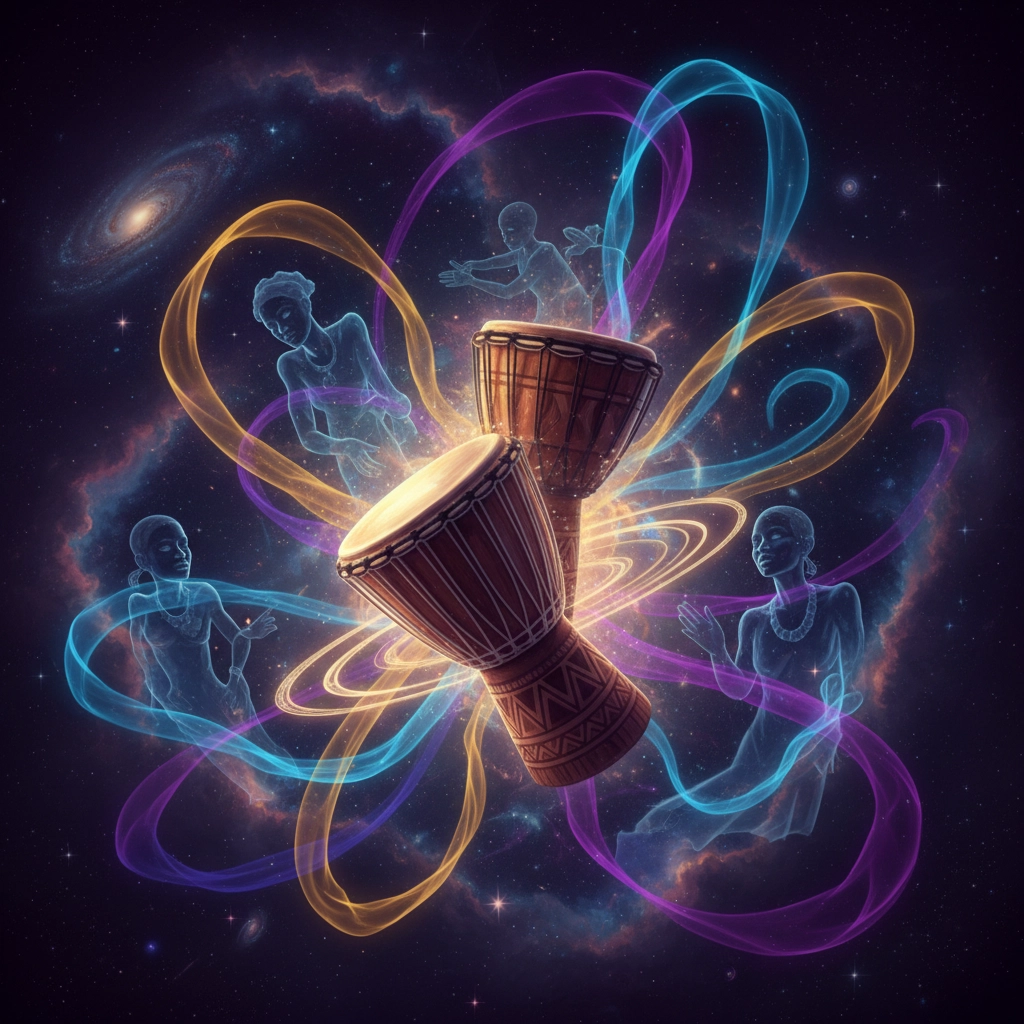
Meanwhile, women from Egungun compounds chant praise poetry as the masquerades move through the townships. This isn't background music: it's active participation in maintaining the spiritual bridge between worlds.
Egungun in the Modern World
Here's what's beautiful about this tradition: it's not museum-piece culture. Egungun ceremonies still happen today, not just in Nigeria and Benin where they originated, but in diaspora communities worldwide. The main cult outside Africa thrives on the island of Itaparica in Bahia, Brazil, proving that ancestral connections transcend geography.
The annual Odun Egungun festivals typically last about a week, creating dedicated time for communities to honor their ancestors, request guidance for peace and harmony, and address cultural and social issues that need ancestral wisdom.
Why This Matters to You
Whether you're Yoruba by birth or drawn to these traditions through spiritual calling, understanding Egungun helps you grasp something essential about ancestral veneration. Your ancestors aren't distant memories: they're active participants in your life, with opinions about how you're handling things.
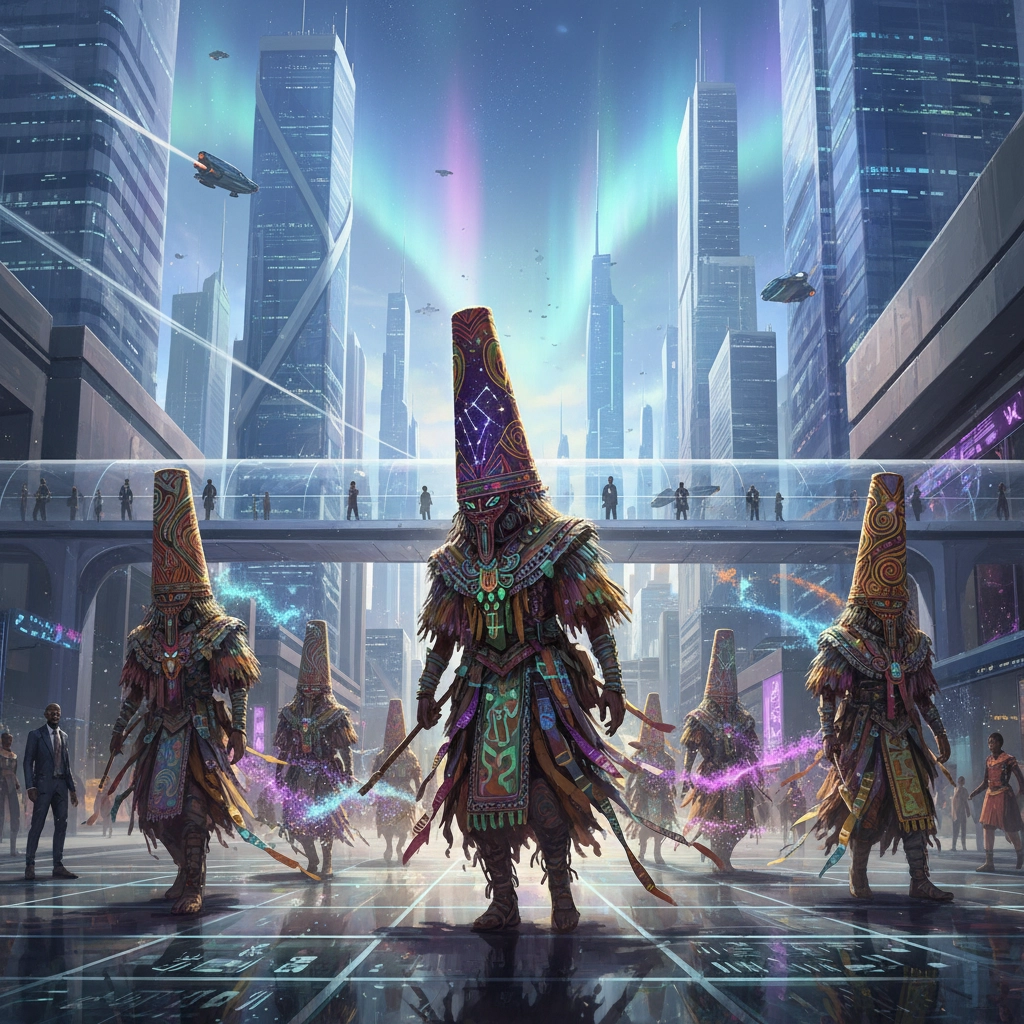
This tradition teaches us that death doesn't sever relationships; it transforms them. Your grandmother who passed last year? She's still invested in whether you're eating right and treating people with respect. Your great-grandfather who you never met? He's still concerned about the family legacy and the values being passed down.
Egungun shows us what healthy ancestral relationship looks like: respect, reverence, and recognition that wisdom doesn't die with the body. It also shows us that ancestors can be complex: sometimes nurturing, sometimes challenging, always real.
The Living Teaching
What makes Egungun so powerful is that it's not just about remembering the dead: it's about maintaining active relationship with them. Through these masquerades, ancestors can correct social problems, offer blessings for important life events, and demonstrate proper behavior for the community.
In a world where we often feel disconnected from our roots, Egungun offers a model for keeping those connections alive. It reminds us that we're part of a continuum, that our actions affect not just ourselves but the entire ancestral line, and that we have access to wisdom and guidance from those who've walked this path before us.
The next time you're making a difficult decision or feeling lost, remember the Egungun tradition. Your ancestors are still accessible. They still care about your wellbeing. They're still willing to show up: sometimes gently, sometimes with a spiritual two-by-four: to guide you back to your path.
The bones may be gone, but the essence lives on. And in the Yoruba tradition, that essence is always ready to dance.