
When you think of wisdom, what comes to mind? Maybe it's an elder who's seen it all, someone who speaks slowly and deliberately because every word carries weight. Someone who's made mistakes, real ones, and learned from them. That's Obatala in a nutshell. He's not just another Orisa you add to your altar collection. He's the father of humanity itself, the sculptor of souls, and honestly? He's probably the most relatable of all the Orisas because he screwed up spectacularly and then spent eternity making it right.
Let me tell you who Obatala really is, beyond the white cloth and the pretty altars you see on social media.
The Elder Who Made the Ultimate Mistake
Obatala sits as second-in-command in the Yoruba pantheon, right under Olodumare (the Supreme Being). Think of him as the vice president of the universe, if you will. Originally, he was supposed to create the Earth itself. Olodumare handed him this massive responsibility, and what did our guy do? He got drunk off palm wine and botched the whole thing.

His younger brother Oduduwa swooped in, completed the job, and earned the title "God of the Earth." Ouch. But here's where it gets interesting, instead of wallowing in his failure, Obatala got reassigned to something even more important: creating human beings.
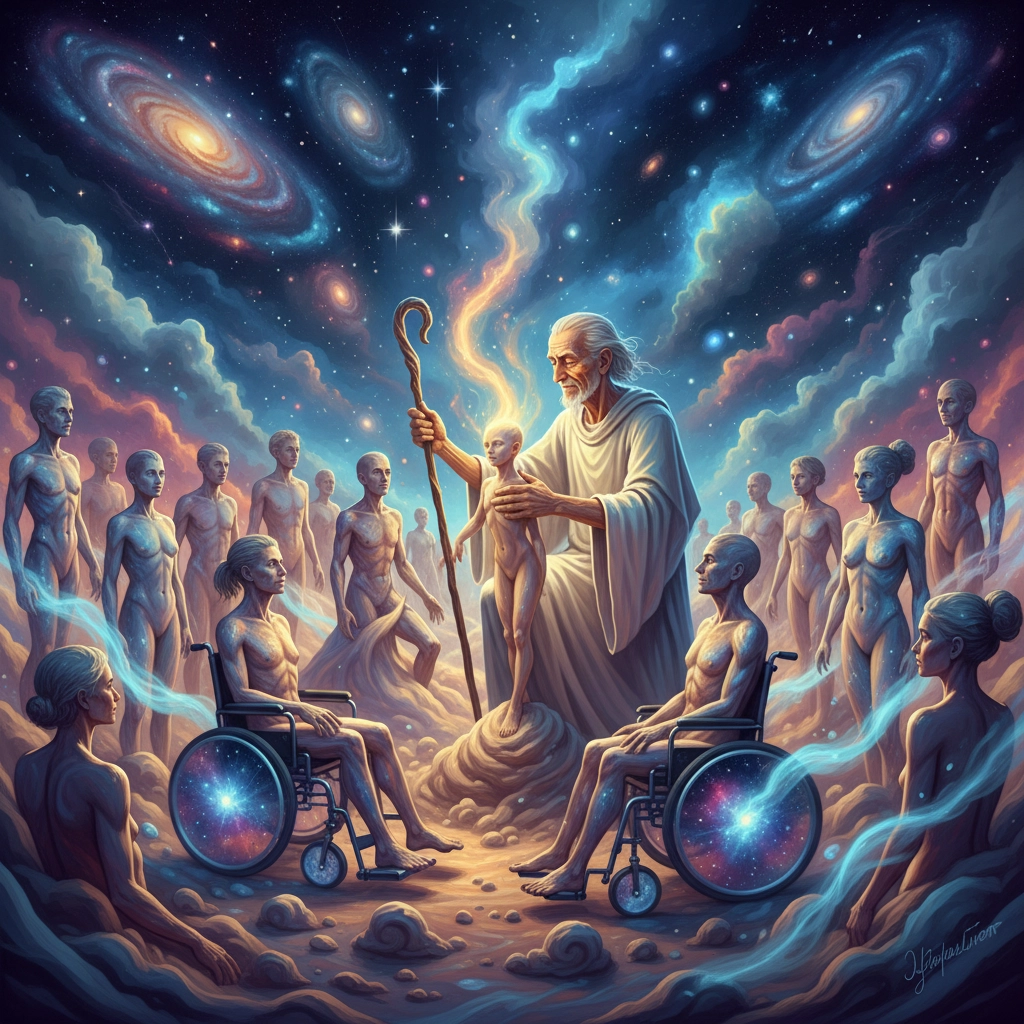
And guess what? He messed that up too. Same palm wine, same poor judgment. While molding humans from clay, he was three sheets to the wind and accidentally created people with disabilities and physical differences. When he sobered up and saw what he'd done, he didn't make excuses. He didn't blame the palm wine or say "it wasn't that bad." He looked at his creations with horror and made a vow that changed everything: never again would he touch alcohol, and he would spend eternity protecting those he had inadvertently harmed.
This is why we call him "The Great White God", not because of some racial hierarchy, but because he transformed his shame into purity, his mistake into purpose.
The Wisdom in White Cloth
When you see Obatala depicted as an elderly man in flowing white robes, you're looking at someone who's earned that serenity the hard way. White isn't just his color, it's his entire philosophy. White represents clarity of thought, peace after chaos, and the kind of wisdom that only comes from facing your worst self and choosing to do better.

His symbols tell his story: white cloth (purity and peace), a staff (authority earned through experience), silver bracelets (the bonds of responsibility he chose to wear). Unlike other Orisas who might be flashy or dramatic, Obatala moves with deliberate calm. He's the Orisa you call when you need to think clearly, when emotions are running high, or when you've made a mess and need guidance on how to clean it up.
Father of Humanity, Protector of the Different
Here's something that might surprise you: Obatala is especially protective of people with disabilities, those who are neurodivergent, or anyone society labels as "different." Why? Because he created them, and he knows their worth intimately. When people ask me about connecting with Obatala, I often tell them this, if you've ever felt like you don't fit, if you've been marginalized or misunderstood, Obatala sees you and claims you as his own.
He's also the Orisa who forms children in the womb. Parents struggling with fertility often turn to him, and for good reason. He understands the delicate process of creation, the responsibility of shaping a life, and the profound love required to nurture what you've made.
Working with Obatala Today
Now let's get practical. How do you actually connect with this ancient wisdom in your modern life?
First, understand that Obatala appreciates simplicity over spectacle. Your altar doesn't need to be Instagram-worthy: it needs to be sincere. White cloth, white flowers, white candles. Rice, milk, coconut. These aren't just pretty decorations; they're offerings that speak to his essence.
But here's the real work: Obatala asks you to examine your own mistakes honestly. Where have you been drunk on your own ego? Where have you caused harm through carelessness? He doesn't want your self-flagellation: he wants your commitment to do better.
Start here:
- Light a white candle and sit in silence for ten minutes daily
- Practice what I call "Obatala breathing": slow, deliberate, focused on clarity
- When facing a difficult decision, ask: "What would wisdom choose here?"
- Make amends for past mistakes, not through guilt, but through changed behavior
The Justice and Ethics of Real Spirituality
Obatala presides over justice, but not the dramatic courtroom kind. His justice is quieter, deeper: it's about ethical living, moral choices, and treating all beings with dignity. In a world full of performative spirituality and Instagram altars, Obatala calls us back to substance.
You want to honor Obatala? Stop gossiping. Tell the truth even when it's uncomfortable. Stand up for people who can't defend themselves. Choose wisdom over being right. This isn't about perfection: remember, he made massive mistakes too: it's about conscious effort to grow beyond your worst impulses.

The Path Forward
Working with Obatala isn't about joining some exclusive spiritual club or collecting another deity for your practice. It's about embracing the kind of wisdom that comes from falling flat on your face and then choosing to become someone worthy of the second chance you've been given.
We live in times that desperately need Obatala's energy. The world is loud, chaotic, and everyone's shouting their opinions without thinking. We need his calm deliberation, his commitment to justice, and his understanding that true strength comes from acknowledging our weaknesses.
If you're drawn to Obatala, ask yourself: Are you ready to trade your ego for wisdom? Are you willing to look at your mistakes not as sources of shame but as teachers? Can you commit to protecting those who need protection, even when it's not convenient?
Your Next Steps
Obatala doesn't need your worship: he needs your participation in making this world more just, more peaceful, more wise. Start simple: set up a clean white cloth on a table, place a glass of cool water there, and spend five minutes daily in quiet reflection. Ask him to help you see clearly, think wisely, and act with integrity.
And remember: the same hands that accidentally created disability also intentionally crafted beauty, strength, and infinite human potential. Your mistakes don't disqualify you from wisdom; they're often the very foundation it's built on.
If you're ready to dive deeper into understanding the Orisas and their place in your spiritual practice, consider connecting with experienced practitioners who can guide you beyond surface-level understanding. Real spiritual work requires real guidance, and Obatala would be the first to tell you that wisdom is meant to be shared, not hoarded.
The white cloth is waiting. The question is: are you ready to earn the right to wear it?