
Let's get one thing straight from the jump: Ẹ̀gbà isn't one of the core Ajogun mẹ́jọ: the traditional eight principal forces of adversity in Ifá. But that doesn't mean this energy isn't real or that we should ignore it when it shows up in our divination or daily lives.
Think of Ẹ̀gbà as that cousin who shows up to family functions uninvited but somehow always manages to cause just enough drama to remind you why boundaries matter. It's not the main event, but it's definitely part of the extended family of forces we need to understand.
Understanding the Ajogun System First
Before we dive into Ẹ̀gbà specifically, let's make sure we're all on the same page about what Ajogun actually means. The word literally translates to "warlord" or "warrior," and these forces represent the adversarial energies that challenge human existence. They're not evil for evil's sake: they're part of the cosmic balance that keeps us growing, learning, and staying humble.
The core Ajogun mẹ́jọ (the main eight) are:
- Ìkú (death)
- Àrùn (sickness, disease)
- Òfò (loss, waste, depletion)
- Èpè (curse, binding)
- Èjẹ̀ (bloodshed, violent injury)
- Òràn (trouble, legal crises)
- Ẹ̀wọ̀n (imprisonment, constraint)
- Ìjà (strife, conflict, warfare)
These eight represent the fundamental challenges that test our character, force our evolution, and remind us that we're not running the show down here.
So Where Does Ẹ̀gbà Fit In?
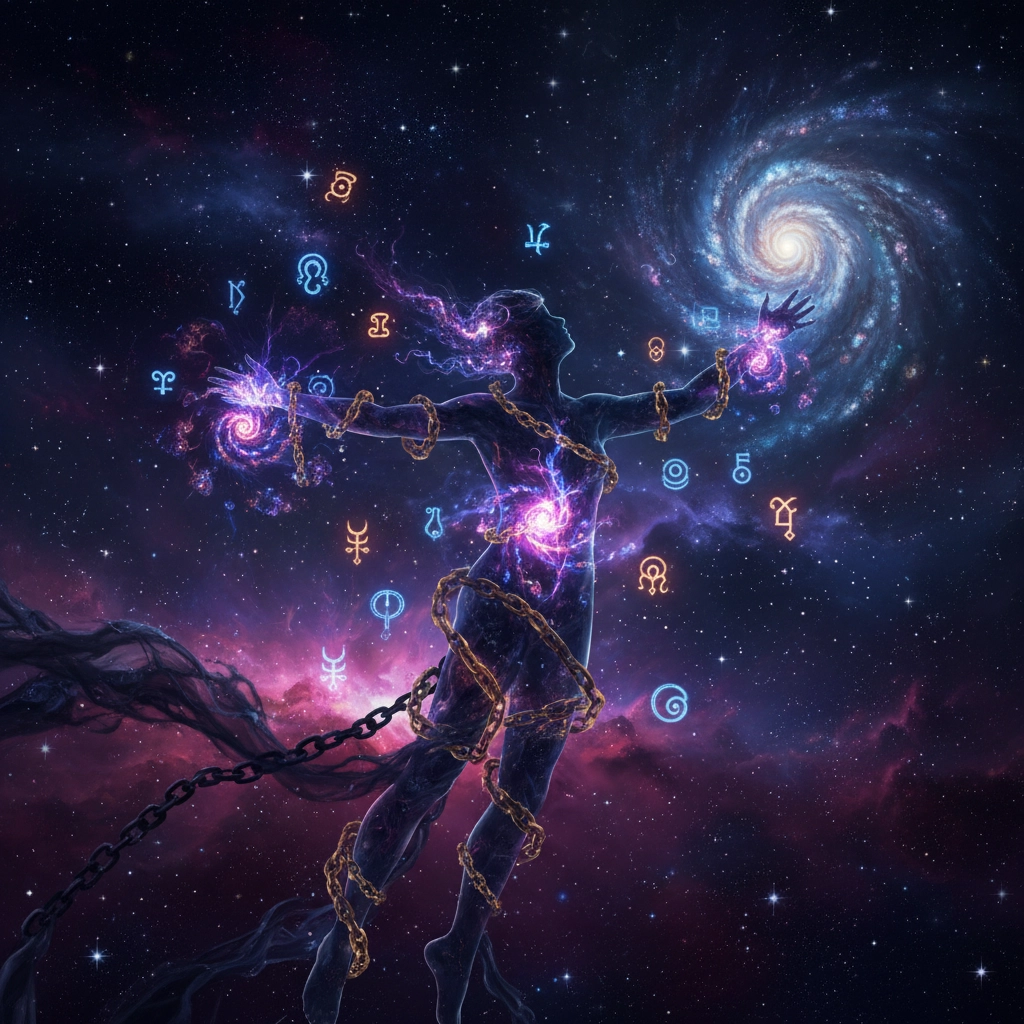
Ẹ̀gbà appears in Ifá verses as a subtype or aspect of adversity, often connected to concepts of paralysis, bondage, and helplessness. But here's the thing: this isn't the physical paralysis you might think of first. We're talking about something much more insidious and frankly, much more common in our daily lives.
Ẹ̀gbà represents that stuck energy that keeps you scrolling through your phone for three hours instead of working on your dreams. It's the force that has you saying "I'll start tomorrow" for the 47th consecutive day. It's the spiritual quicksand that makes every step forward feel impossible, even when you know exactly what you need to do.
The Many Faces of Ẹ̀gbà
Mental and Emotional Paralysis
You know that feeling when you have a million great ideas but can't seem to execute any of them? When decision paralysis has you stuck between choosing what to have for lunch, let alone making major life changes? That's Ẹ̀gbà energy in action.
This force shows up in our lives as:
- Procrastination that feels physically painful to break through
- Analysis paralysis that keeps us researching instead of doing
- Fear-based inaction disguised as "being careful"
- The inability to leave toxic situations even when we know better
Social and Spiritual Shackling
Sometimes Ẹ̀gbà manifests as the invisible chains that keep us bound to situations, relationships, or patterns that no longer serve us. It's the energy behind staying in jobs that drain your soul because "at least it's stable," or remaining in relationships that stunt your growth because "at least I'm not alone."
This aspect often works hand-in-hand with other Ajogun forces. It might team up with Òfò (loss) to make you feel like leaving means losing everything, or collaborate with Èpè (binding) to convince you that you're trapped by circumstances beyond your control.

How Ẹ̀gbà Shows Up in Ifá Divination
When Ẹ̀gbà energy appears in an Ifá reading, it's usually pointing to areas where you've become spiritually immobilized. The verses often reveal patterns of self-sabotage, missed opportunities, or the inability to take action despite having all the resources you need.
Common themes include:
- Talented individuals who can't seem to launch their gifts into the world
- People who know their purpose but feel paralyzed by perfectionism
- Situations where external obstacles seem insurmountable, but the real block is internal
- Cycles of starting and stopping that prevent any real progress
The beautiful thing about Ifá is that it doesn't just diagnose the problem: it prescribes the medicine. When Ẹ̀gbà energy is identified, the verses typically recommend specific ebò (offerings) and behavioral changes to break the paralysis.
Traditional Remedies and Approaches
Ebò for Breaking Paralysis
Ifá prescribes various offerings to address Ẹ̀gbà energy, often involving:
- White cloth (representing clarity and new beginnings)
- Honey (to sweeten stagnant situations)
- Specific foods that encourage movement and action
- Herbal baths designed to cleanse away stuck energy
But here's what I need you to understand: the physical offering is just the beginning. The real work happens in your daily choices and actions.
Practical Steps to Counter Ẹ̀gbà
Start with small, concrete actions. If you've been paralyzed by the size of your dreams, break them down into ridiculously small steps. Want to write a book? Start with writing one paragraph. Want to start a business? Begin by writing down three concrete steps you could take this week.
Create accountability systems. Ẹ̀gbà thrives in isolation. Tell someone about your goals. Better yet, find someone who will lovingly call you out when you start making excuses.
Practice the art of imperfect action. This energy loves perfectionism because it keeps you stuck in planning mode forever. Done is better than perfect, and perfect is the enemy of good enough to get started.

The Spiritual Psychology of Paralysis
Here's where it gets deep: Ẹ̀gbà often represents our resistance to our own power. Think about it: what if you're not actually stuck, but scared of what would happen if you unstuck yourself? What if the paralysis is protection against your own potential?
Sometimes we stay small because we're terrified of taking up the space we're meant to occupy. Sometimes we stay stuck because movement means responsibility, and responsibility means we can't blame our circumstances anymore.
Ẹ̀gbà challenges us to examine our relationship with our own agency. Are you genuinely blocked, or are you blocking yourself? Are external circumstances truly impossible, or have you decided they're impossible to avoid making difficult choices?
Working with Rather Than Against
Here's what most people get wrong about dealing with Ajogun forces: they try to fight them head-on. That's like trying to box with your own shadow: exhausting and ultimately pointless.
Instead of fighting Ẹ̀gbà, we learn to work with the energy it represents. Paralysis can be protective when we're about to make genuinely harmful decisions. The trick is learning to distinguish between protective paralysis and destructive paralysis.
Ask yourself:
- Is this hesitation protecting me from real harm, or from imagined failure?
- What am I really afraid will happen if I take action?
- What would I do if I knew I couldn't fail?
- What would I do if I knew failure was just feedback, not a verdict?
The Connection to Other Ajogun Forces
Remember, Ẹ̀gbà doesn't operate in isolation. It often works in conjunction with the core eight Ajogun forces:
- With Òfò (loss): Fear of losing what you have keeps you from gaining what you could have
- With Èpè (binding): Self-limiting beliefs become self-fulfilling prophecies
- With Ẹ̀wọ̀n (imprisonment): Mental cages that feel more secure than freedom
- With Òràn (trouble): Avoiding potential problems by avoiding all possibilities
Understanding these connections helps us address the root causes rather than just the symptoms.

Breaking the Spell
The ultimate remedy for Ẹ̀gbà energy is conscious, intentional action: even when you don't feel ready, even when you can't see the whole staircase. But it has to be the right action, aligned with your ori (inner consciousness) and guided by wisdom rather than impulse.
This is where consultation with qualified Ifá practitioners becomes invaluable. They can help identify whether you're dealing with Ẹ̀gbà energy specifically or if it's masquerading as another force. They can prescribe the appropriate ebò and provide guidance on timing and approach.
But don't wait for perfect conditions or complete certainty. Ẹ̀gbà feeds on delays. Take one small step today, even if it's just researching your options or having a difficult conversation you've been avoiding.
The Teaching Within the Challenge
Like all Ajogun forces, Ẹ̀gbà carries important lessons. It teaches us about the power of choice, the responsibility that comes with agency, and the difference between being cautious and being cowardly.
Sometimes paralysis is necessary: it gives us time to gather resources, develop skills, or wait for better timing. But more often, it's our ego's way of avoiding the vulnerability that comes with growth.
The key is learning to recognize when you're being guided to wait versus when you're being controlled by fear. Your ancestors and guides want you to succeed, but they also want you to develop the courage and wisdom that come from taking aligned action in the face of uncertainty.
Your ori already knows what you're capable of: the question is, when will you trust it enough to find out?